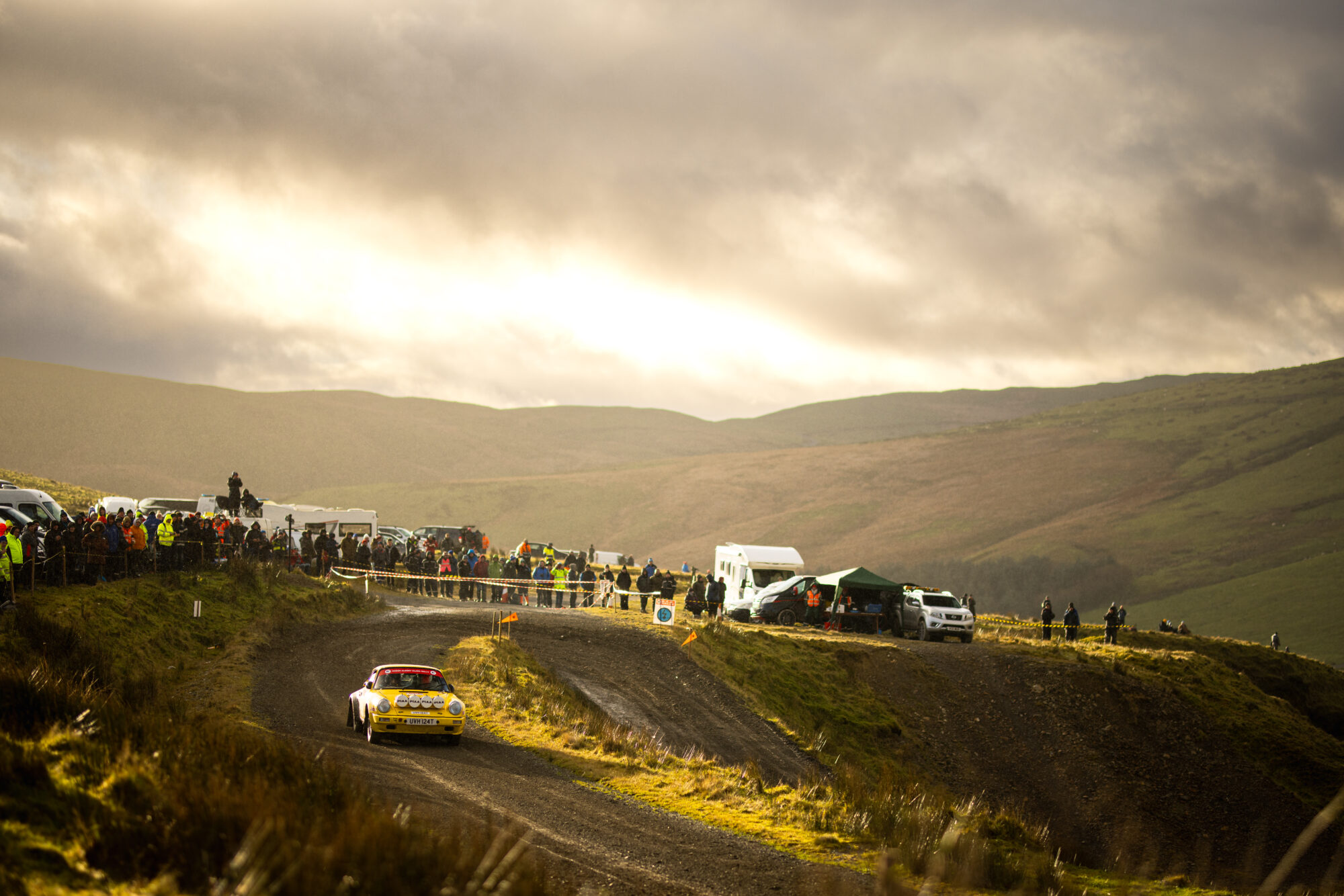
Back in November I set off early on a Wednesday morning for a 250-mile, five-hour drive to Carmarthen in Wales. Most people associate motorsport with weekends, but the Roger Albert Clark Rally recreates the spirit of rallying’s golden era – when events ran for four or five days and competitors covered huge distances across the country.
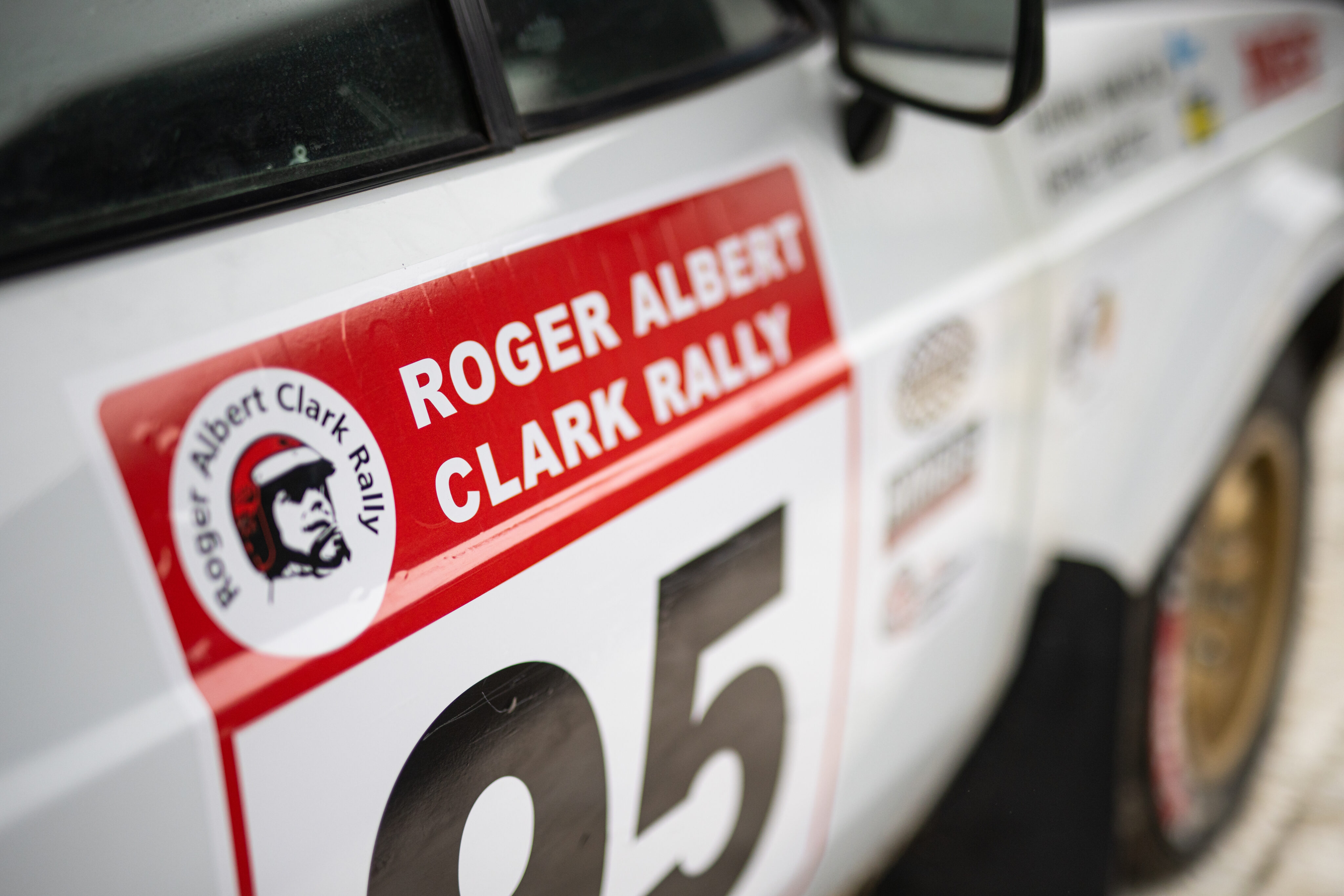
That means the rally starts midweek, and by Wednesday afternoon I was standing in Carmarthen Showground, watching more than 150 historic rally cars being scrutineered before the long days ahead.
For anyone with even a passing interest in rally history, it was an incredible sight. The majority of the field was made up of 1970s machinery, with a huge number of Ford Escort Mk IIs entered.
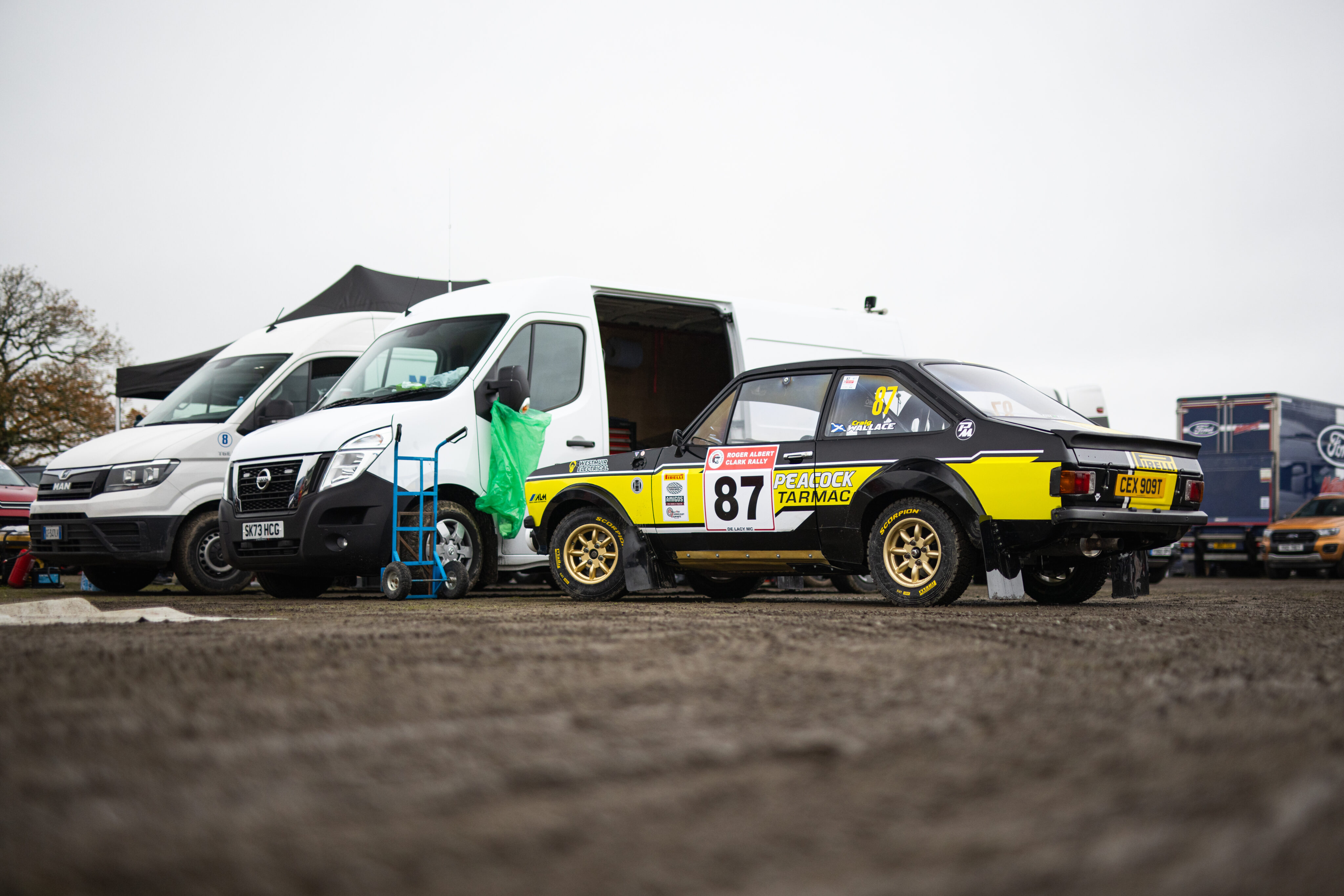
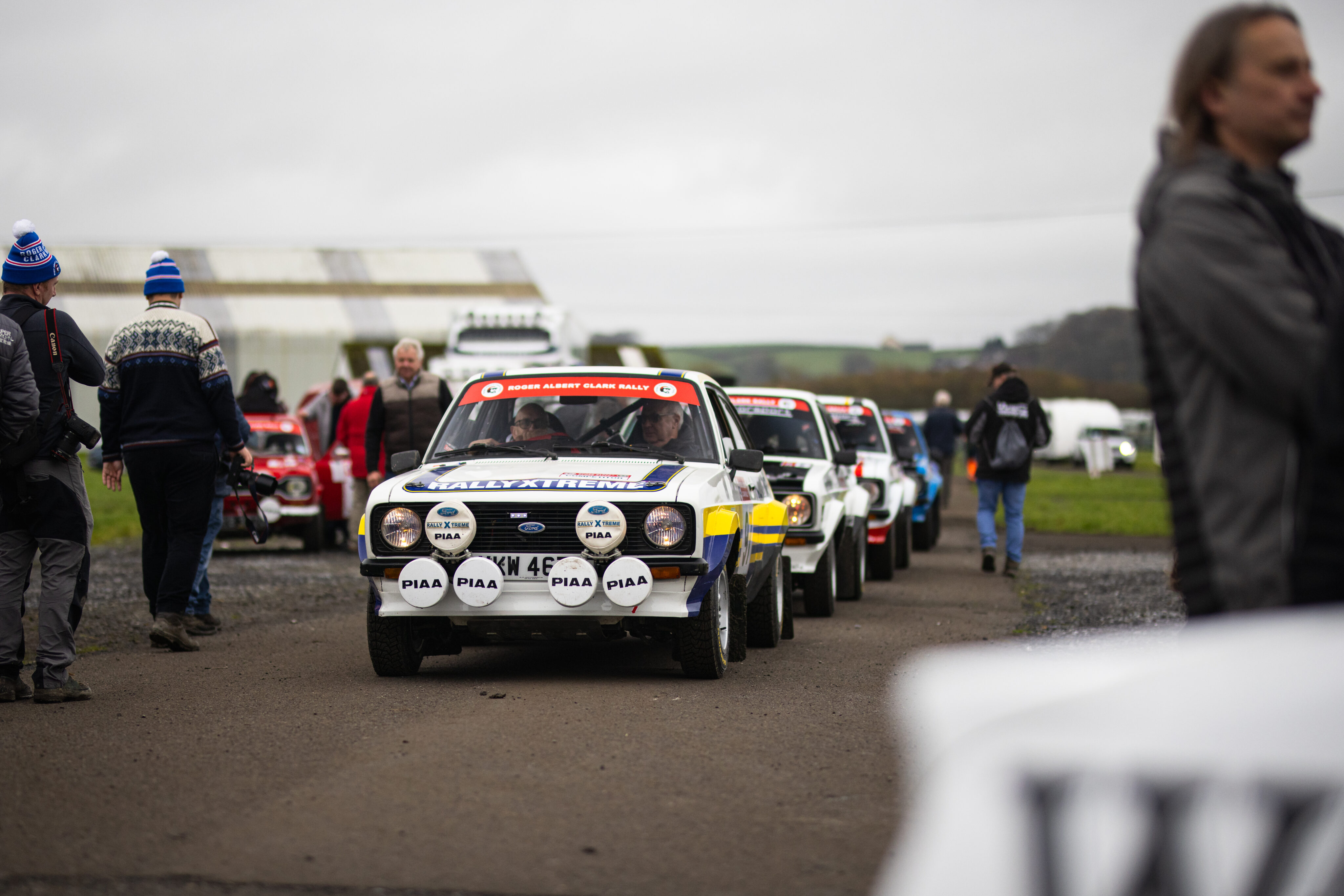
Alongside them were a handful of Mk I Escorts…


several Porsche 911s, a Safari-spec Datsun 240Z, a Saab 96 V4, and even a Toyota Corolla Levin TE27.
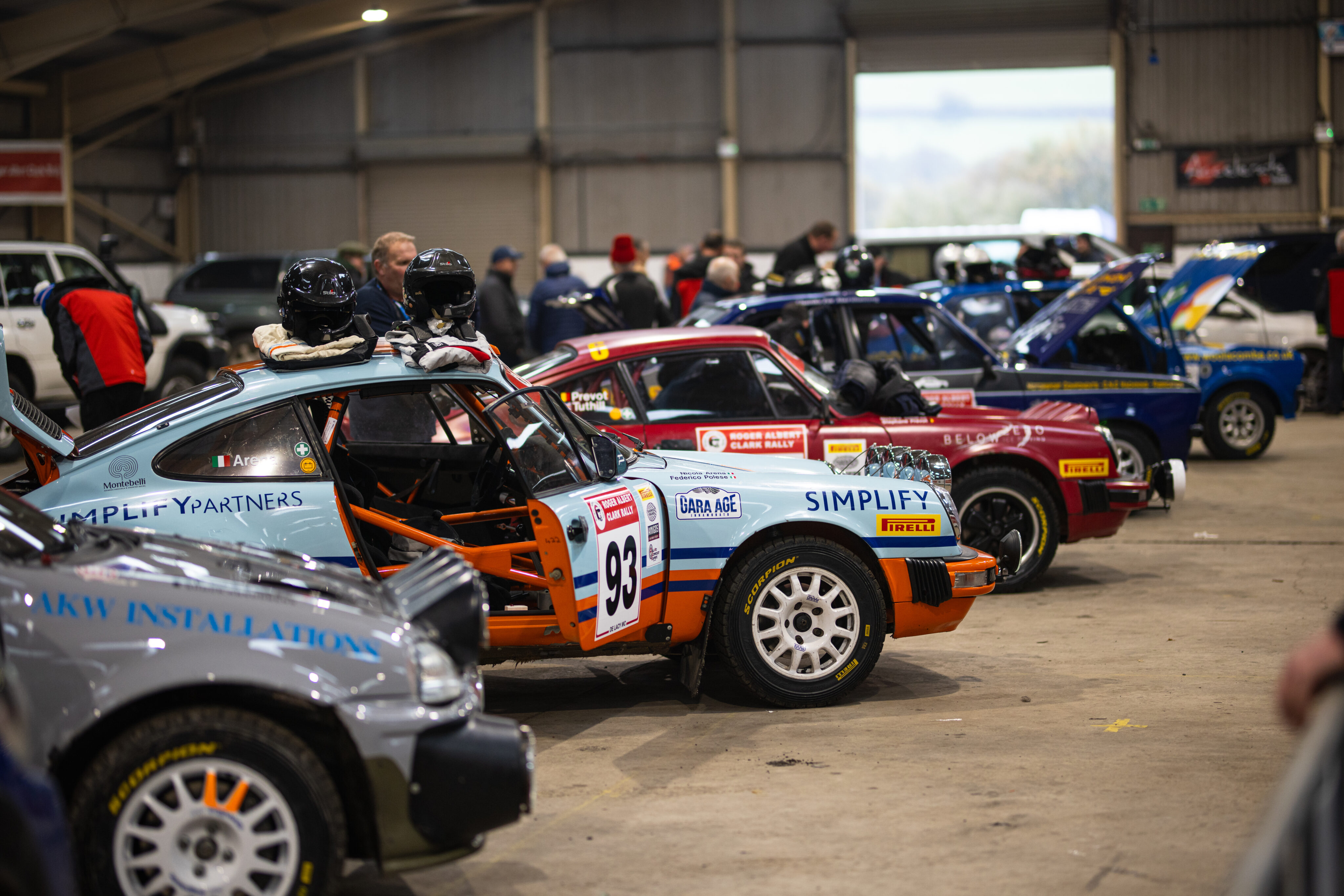

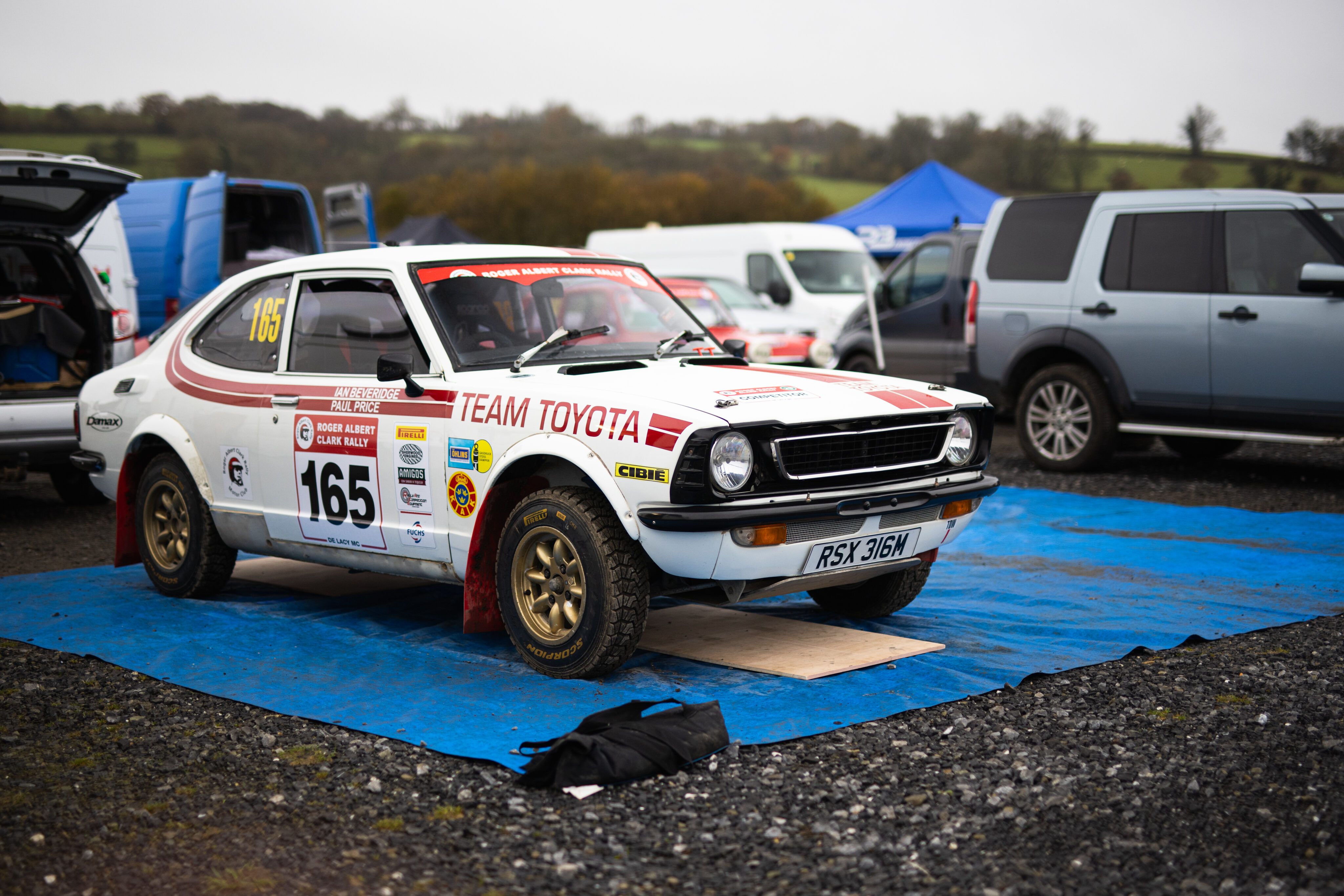
It felt less like a modern rally paddock and more like stepping back in time.
Among all those cars, one stood out more than any other, the Lancia Stratos driven by Seb Perez and co-driver Gary McElhinney. The car looked spectacular sitting in the showground, but it would sound even better once we reached the stages.


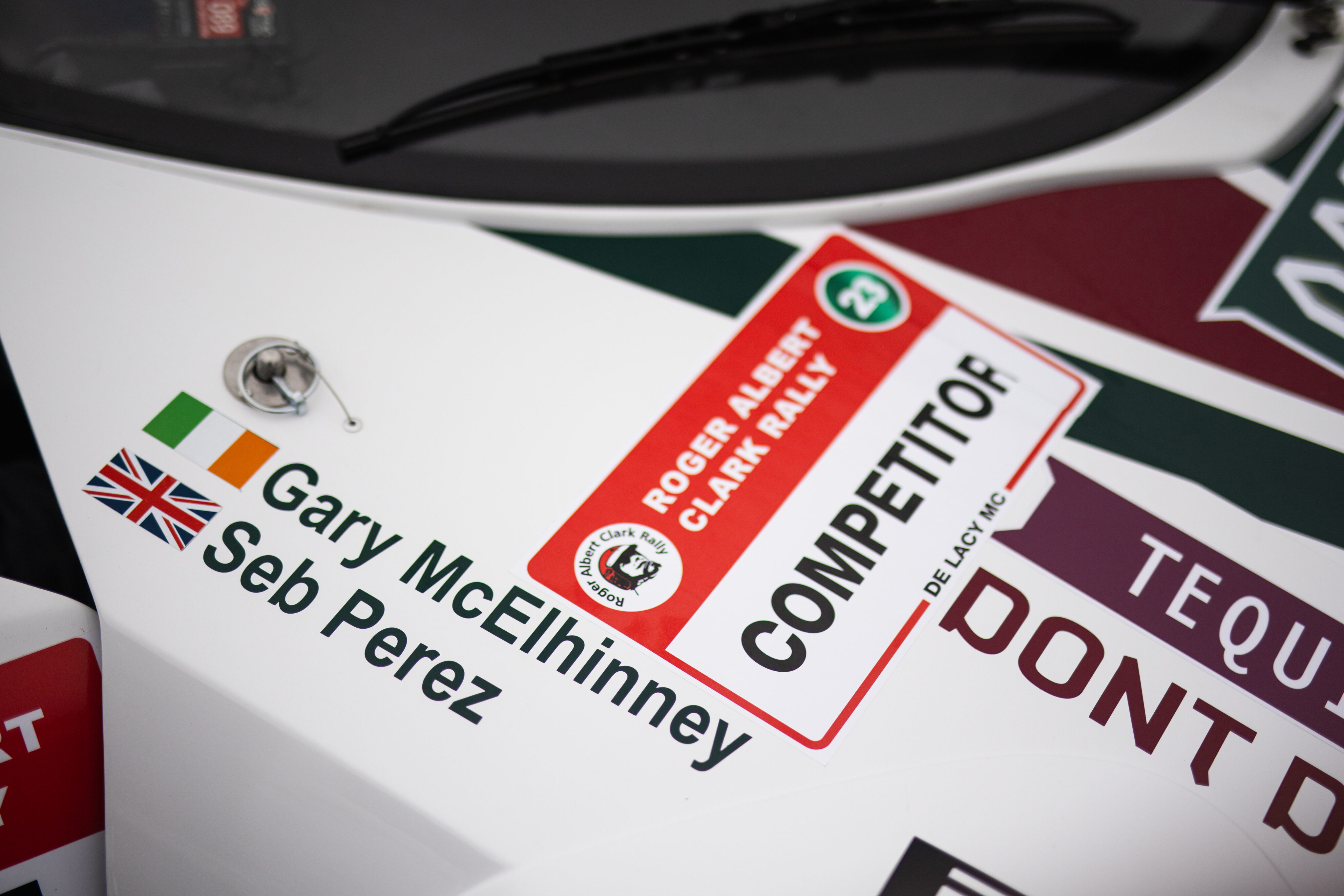

Ceremonial Start – Carmarthen
Wednesday evening brought the ceremonial start in the town centre, where the rally cars drove through the streets in front of huge crowds that had gathered to see them up close before the competition began.
Seeing these historic machines roll through the town surrounded by fans set the tone perfectly for the days ahead.
By the time the evening wrapped up at around 10pm, there was still one job left – driving roughly 50 miles to Walters Arena so I could be ready for the first stages the following morning.


Day 1 – Walters Arena
Thursday started early. I woke up to the sun streaming through the windows of my car, grabbed breakfast from a nearby McDonald’s, and drove the last couple of miles into Walters Arena.
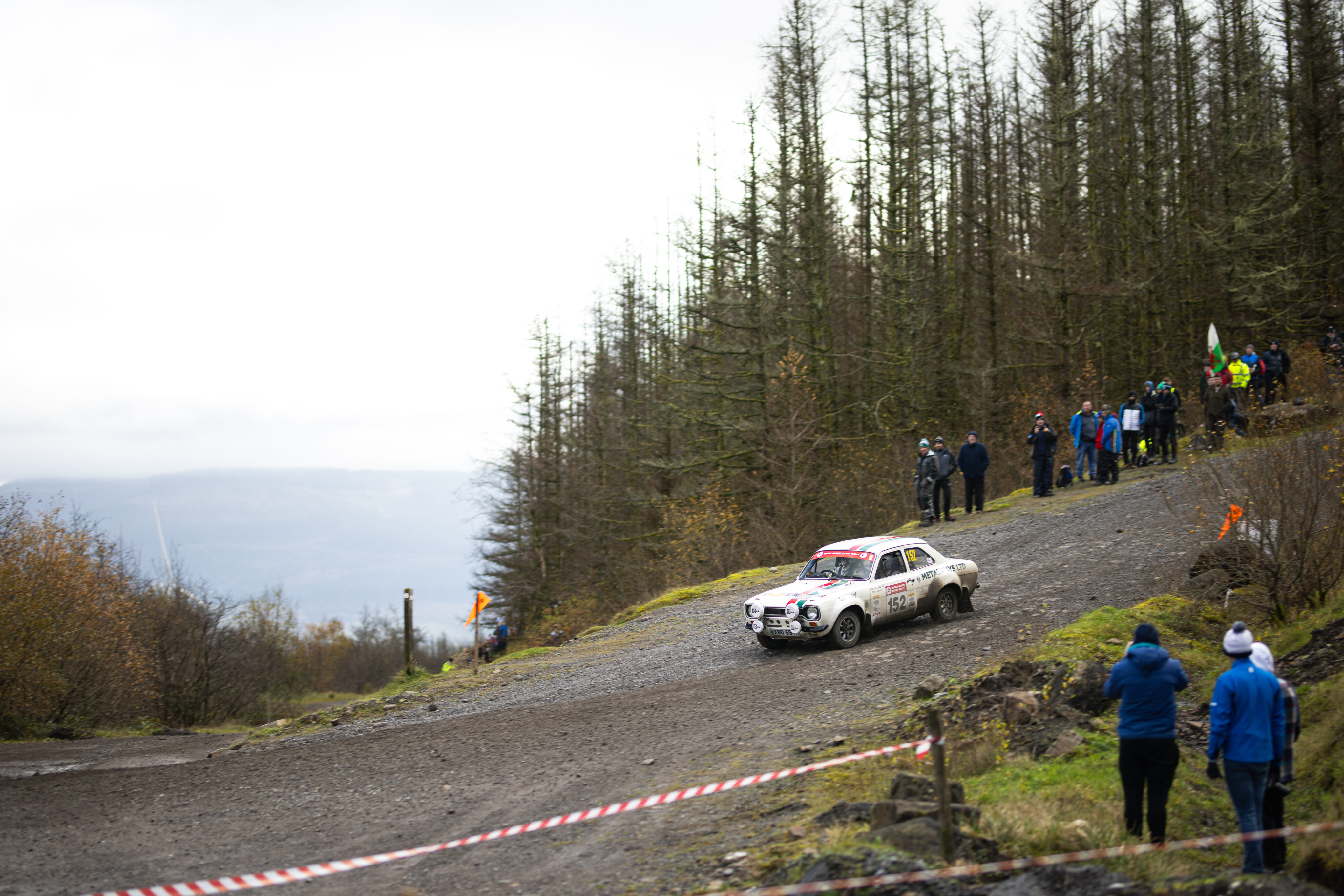
Having only photographed one forest rally stage before, I packed my camera kit and started hiking into the stage, eventually settling at a hairpin around two-thirds of the way through.
It was a popular spot with spectators, but I quickly realised it was fairly restrictive because of the crowd control areas. After a while I pushed further up the hill and soon found some much better shooting positions.

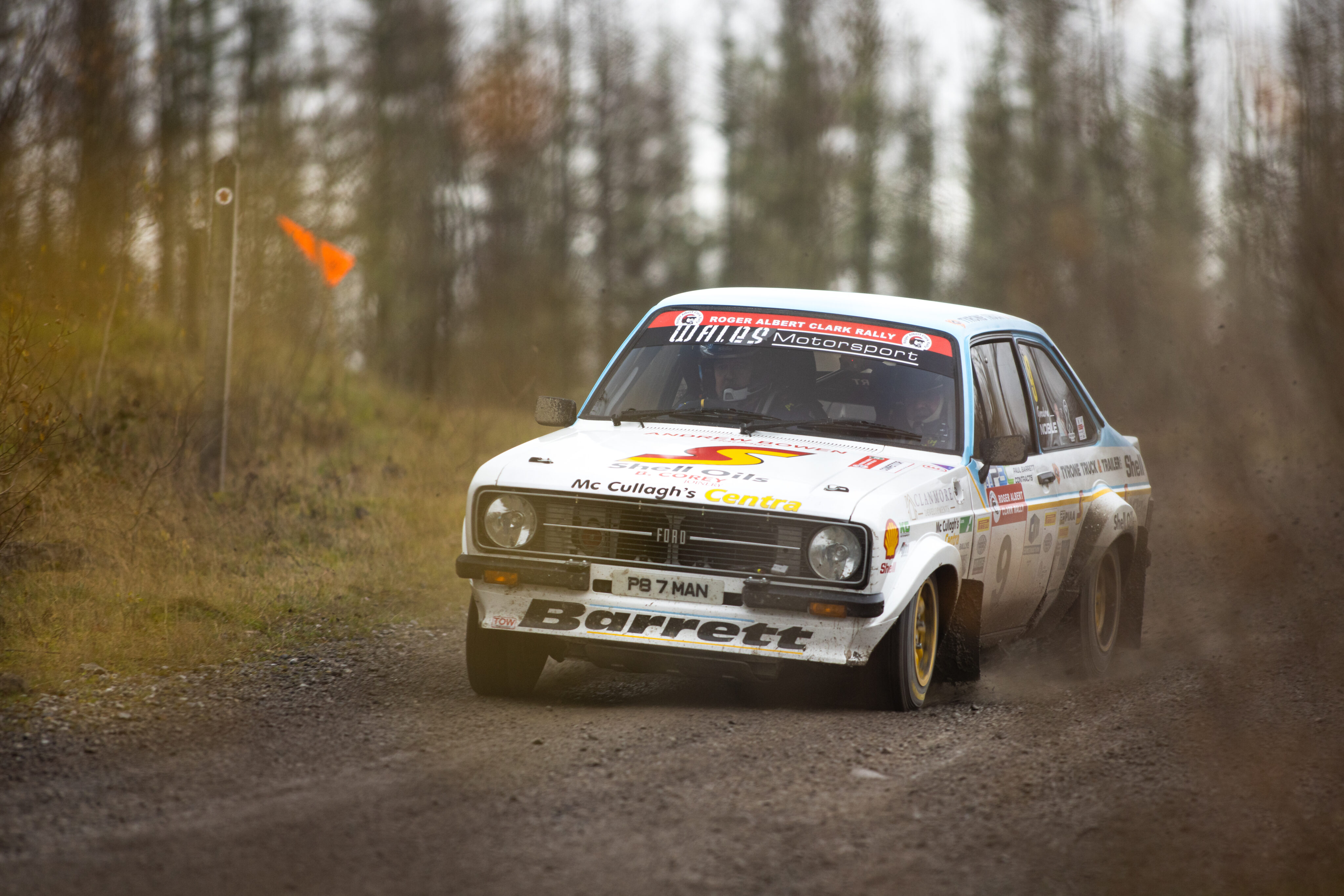

At one of those spots I caught the attention of a marshal, who invited me to stand with them closer to the action. Even then I took things cautiously, forest rallying can be unpredictable, especially on loose surfaces where the cars move around a lot more than on tarmac.
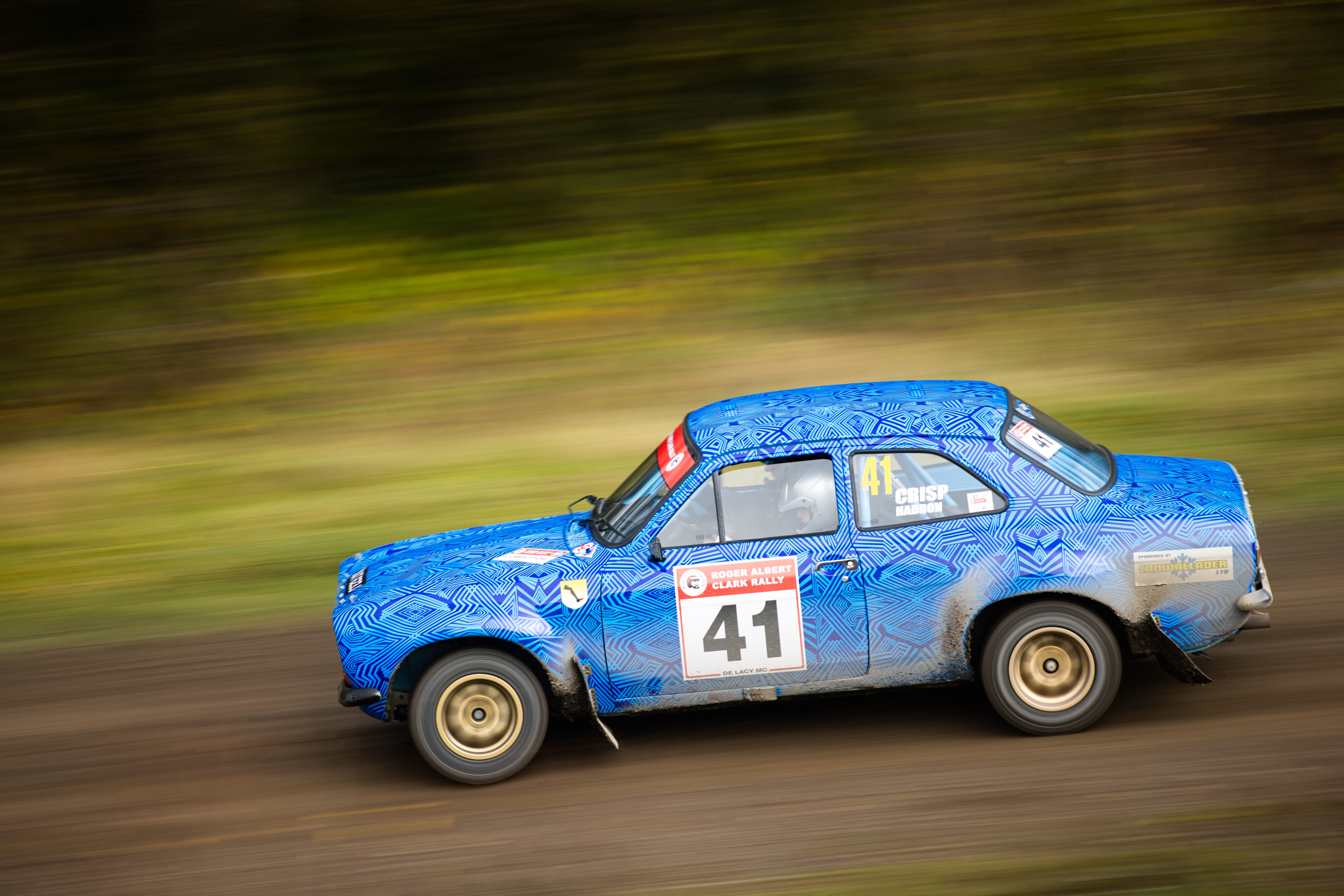
Later I continued further into the stage with the help of a friendly spectator who knew the maze of gravel roads around the Arena.
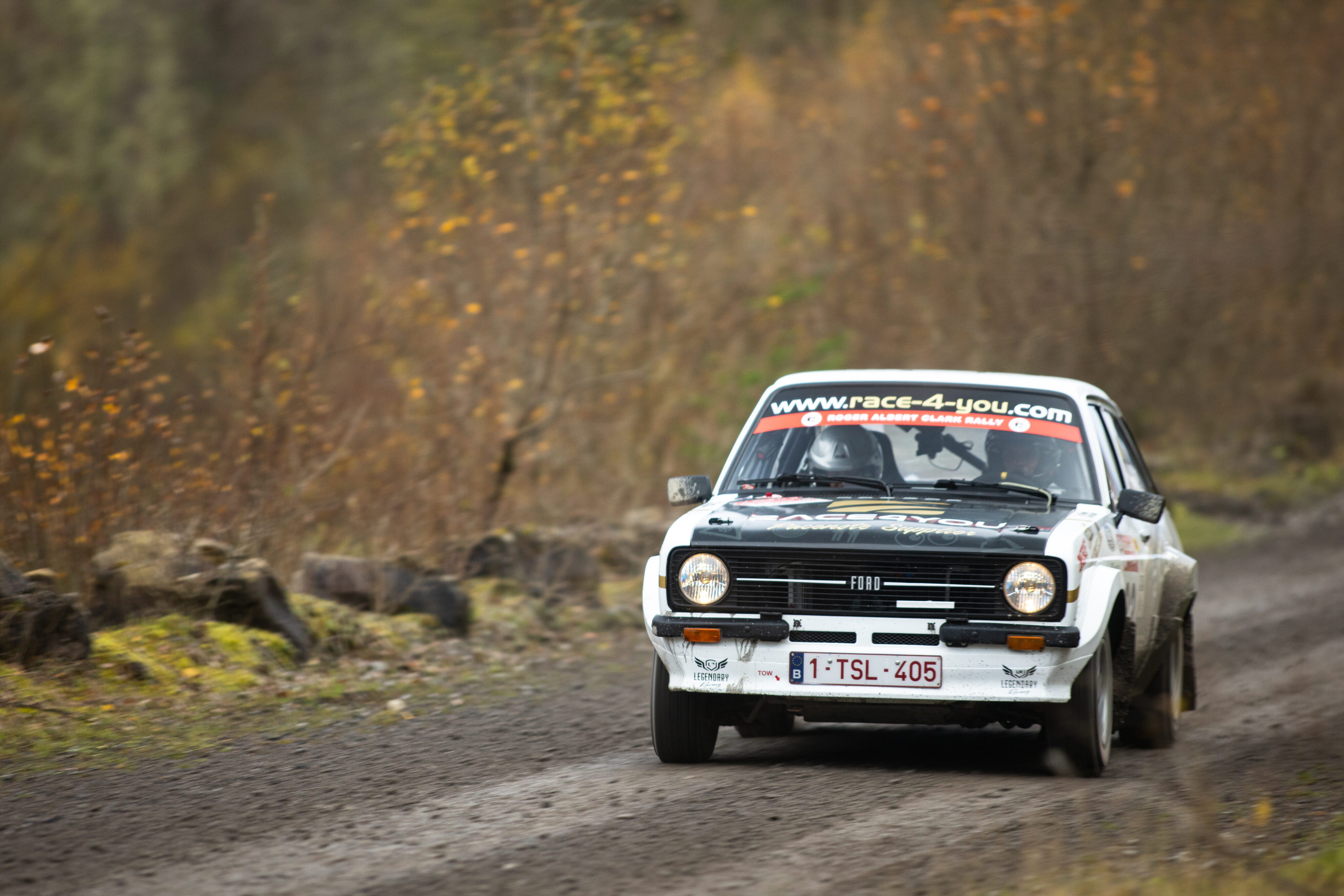
The location we eventually found was fantastic. The cars would crest a hill in the distance before blasting past us flat out, giving plenty of time to frame the shot as they approached.

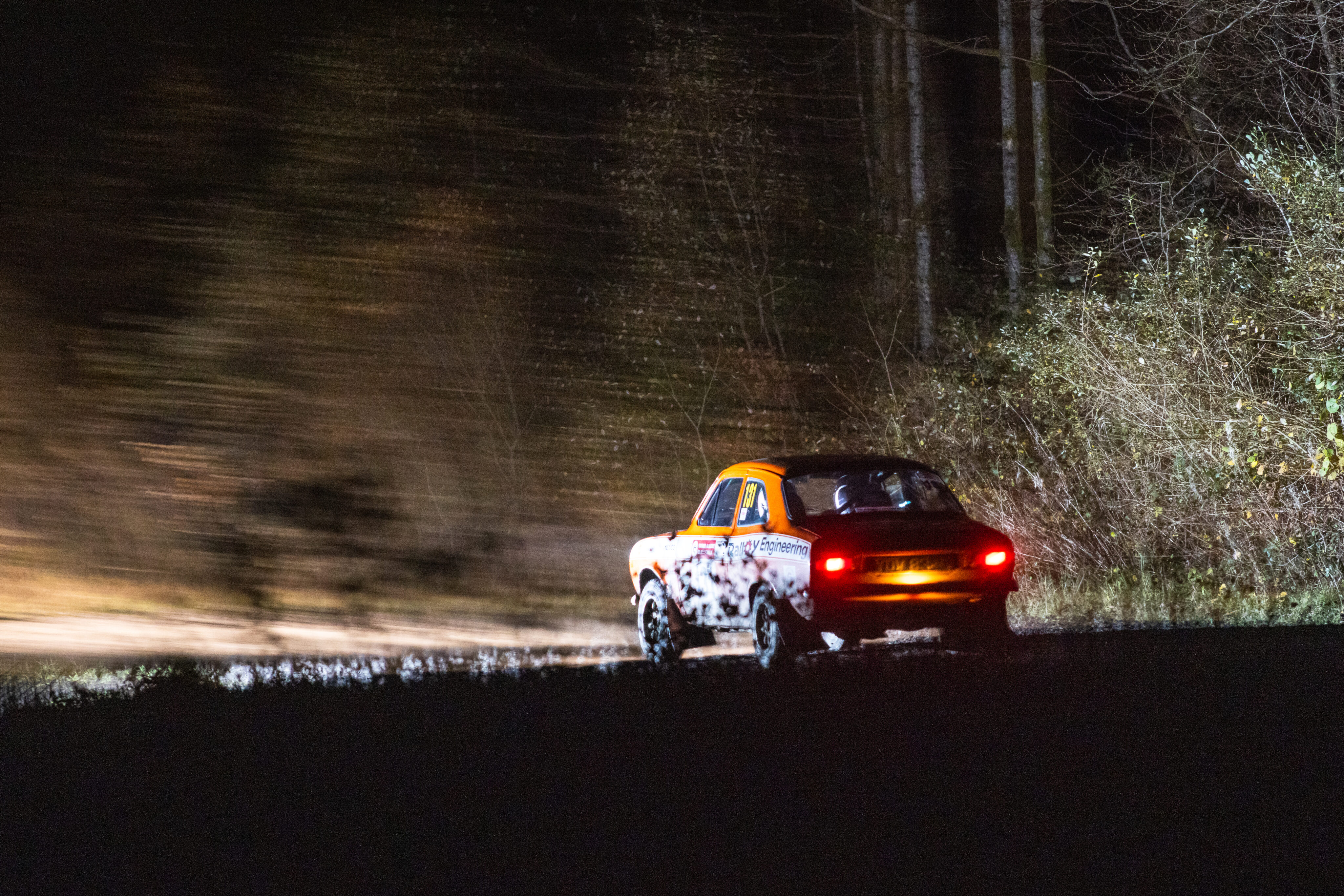
The stage would run again later in the evening – this time in the dark. Unfortunately I had left my torch in the car, which was about a mile away, and once darkness fell the forest became incredibly difficult to navigate.
After watching the first group of cars come through, we decided it was best to hike out of the stage and head toward the Service Park, where the lighting gave me the opportunity to photograph crews working on their cars after a hard day in the forests.
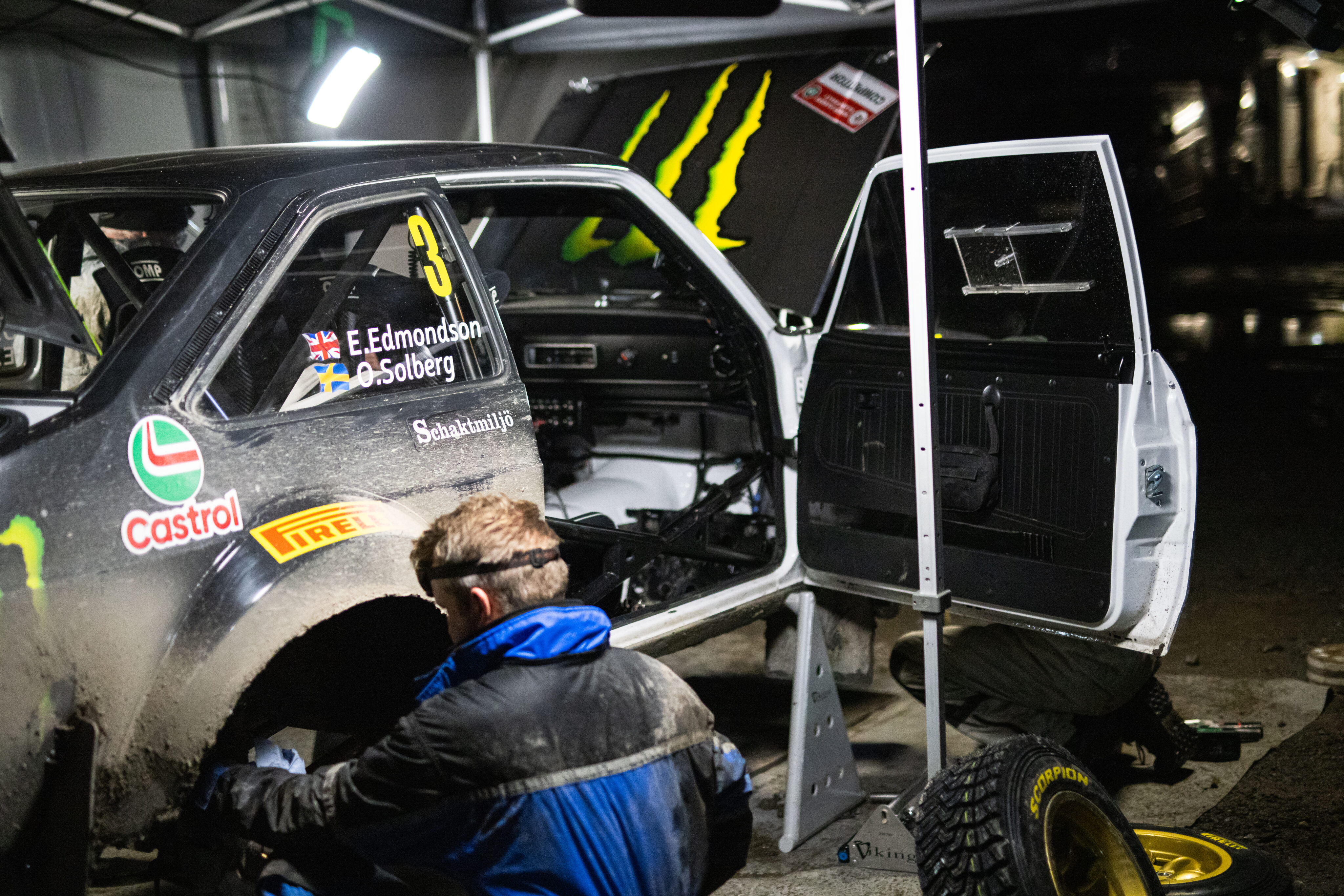


From there I left Walters Arena and drove 70 miles to Sweet Lamb, arriving around 11pm. By this point I had already driven 370 miles in about eight hours, and spent nearly 20 hours awake and photographing and it was still only the end of Day One.
Day 2 – Sweet Lamb
Friday morning began just before dawn as I tried to find my way into the Sweet Lamb Complex. Having never visited before, I initially headed the wrong way before spotting another spectator who was clearly going in the right direction. We eventually made it down into the valley and parked up a few hours before the stage was due to start.
By chance, I had parked almost directly next to the stage. With time to spare, I climbed back into the car and grabbed a bit more sleep., knowing it would be a long drive at the end of the day.
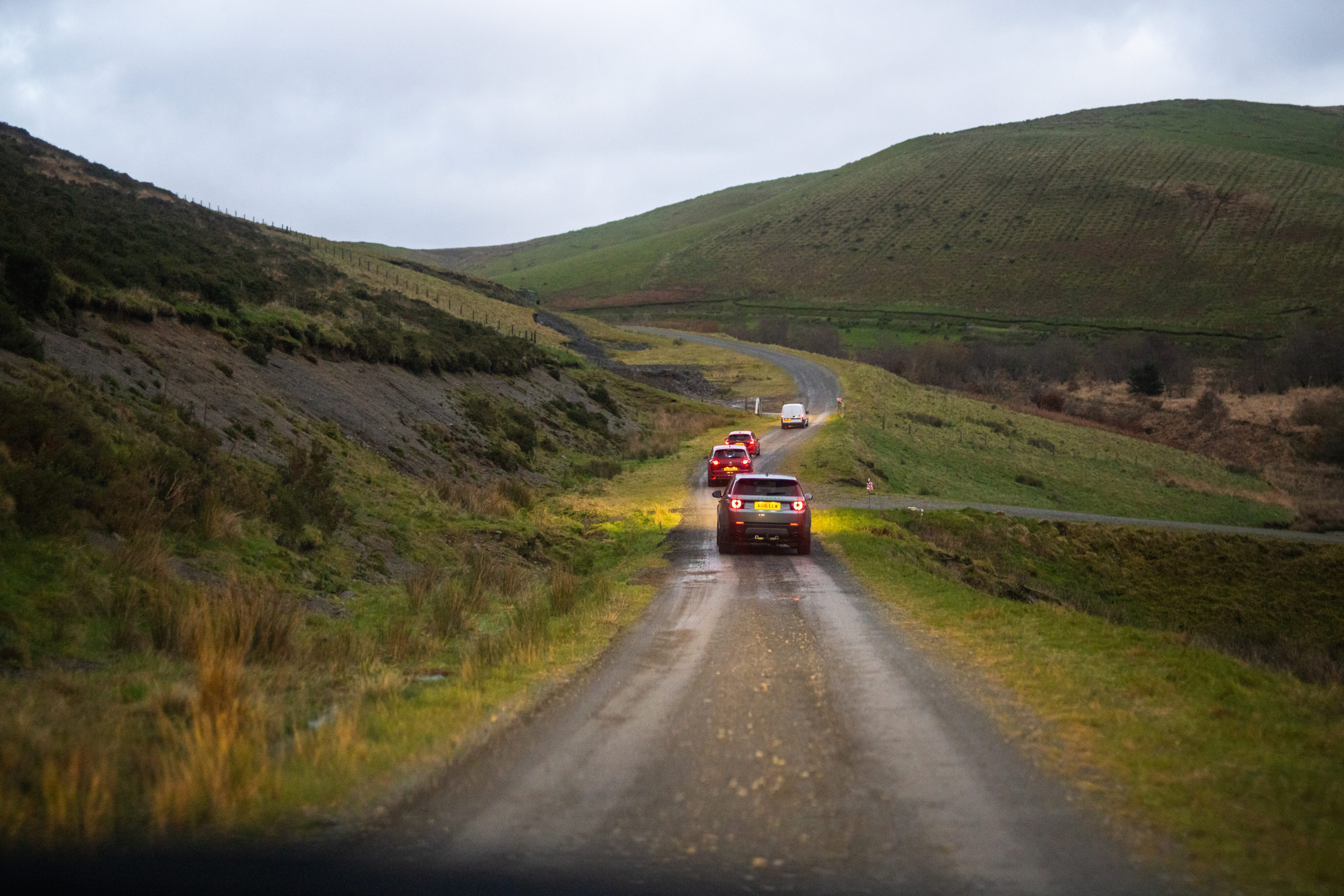
At 1pm the stage went live, with the first cars arriving and clearing the loose gravel for the competitors behind, the spectator area provided great views starting at a tight hairpin before climbing a winding hill toward the crest overlooking the valley.
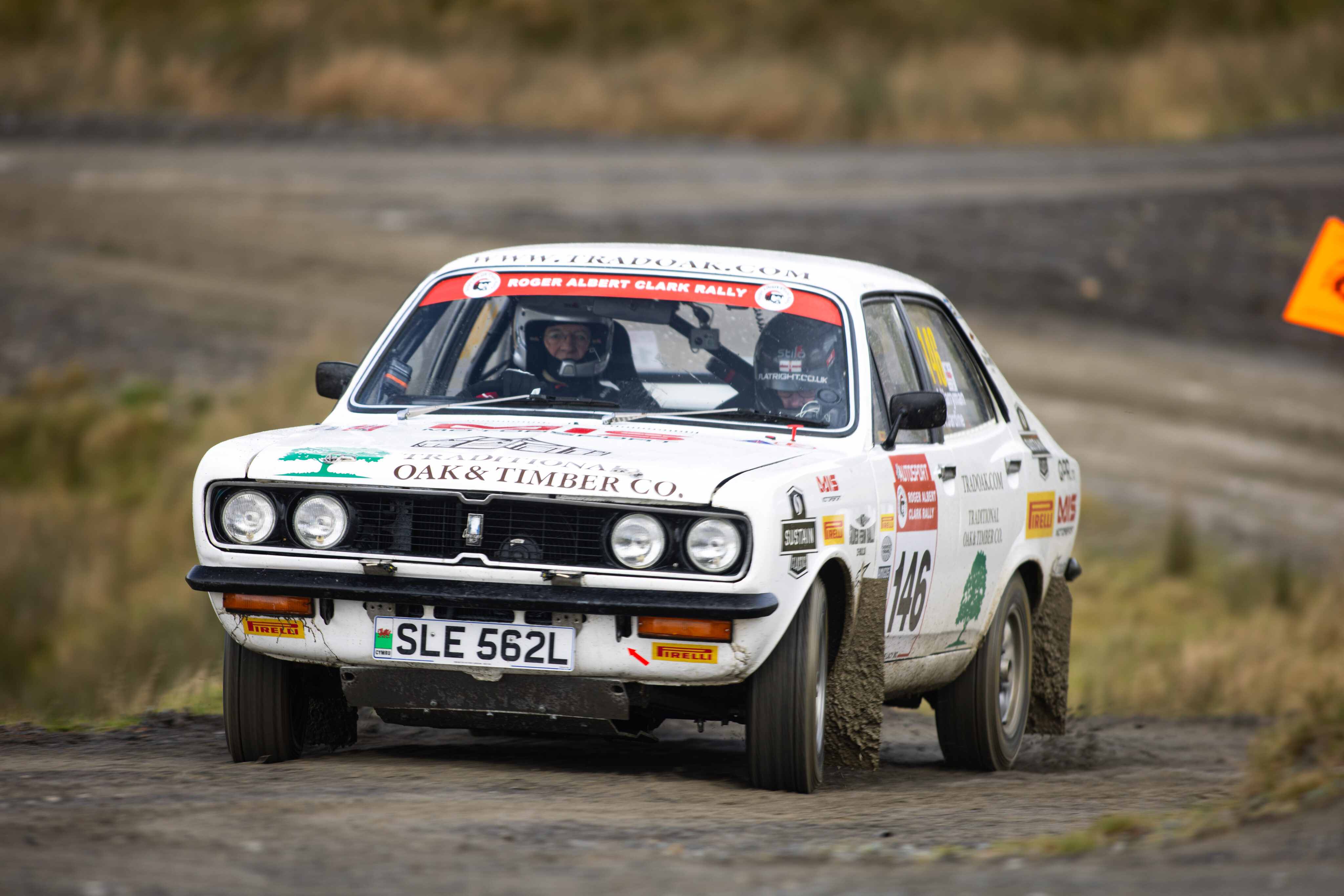
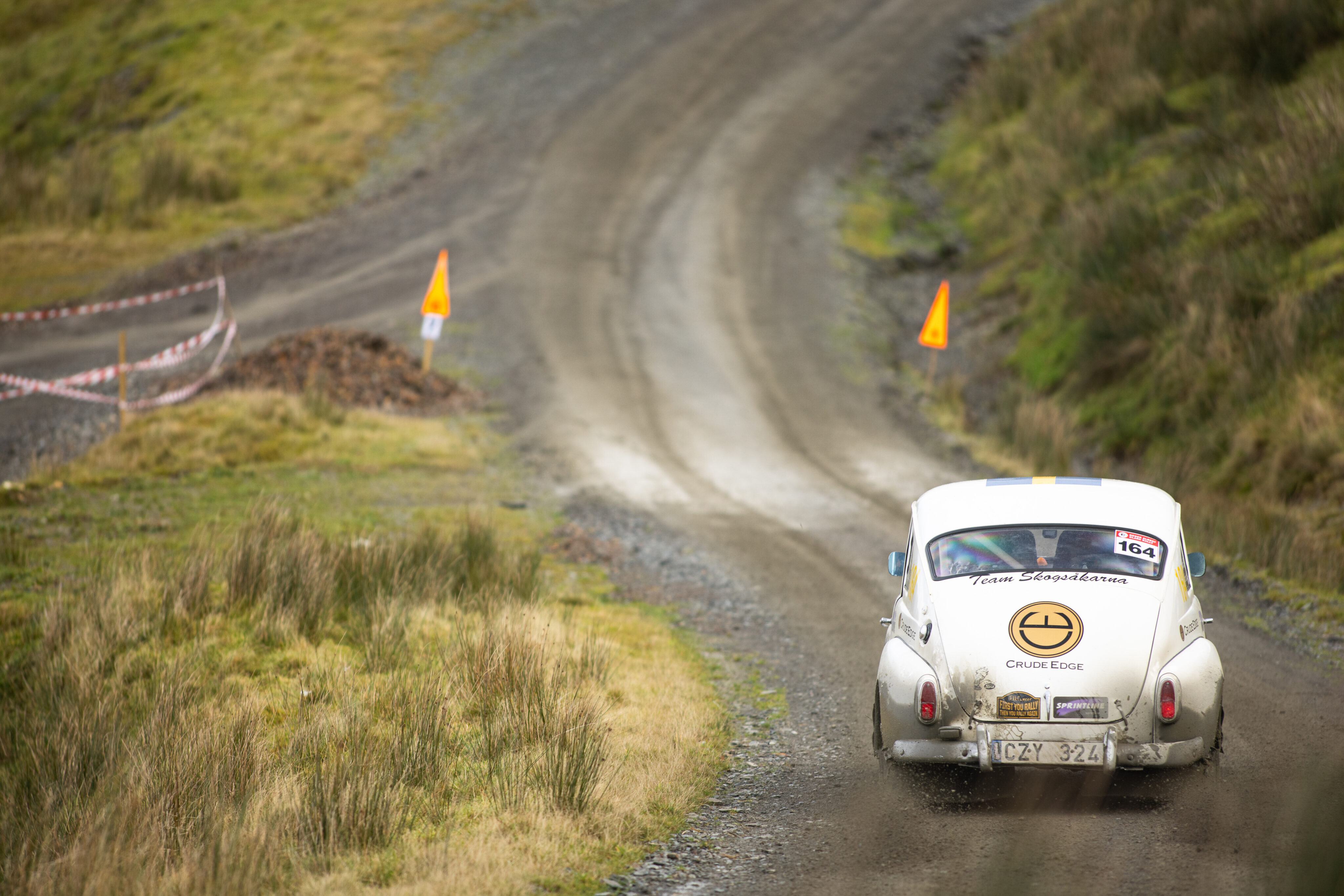

From this position I could also switch to the 300mm lens, capturing cars approaching from further up the stage before they disappeared over the crest.

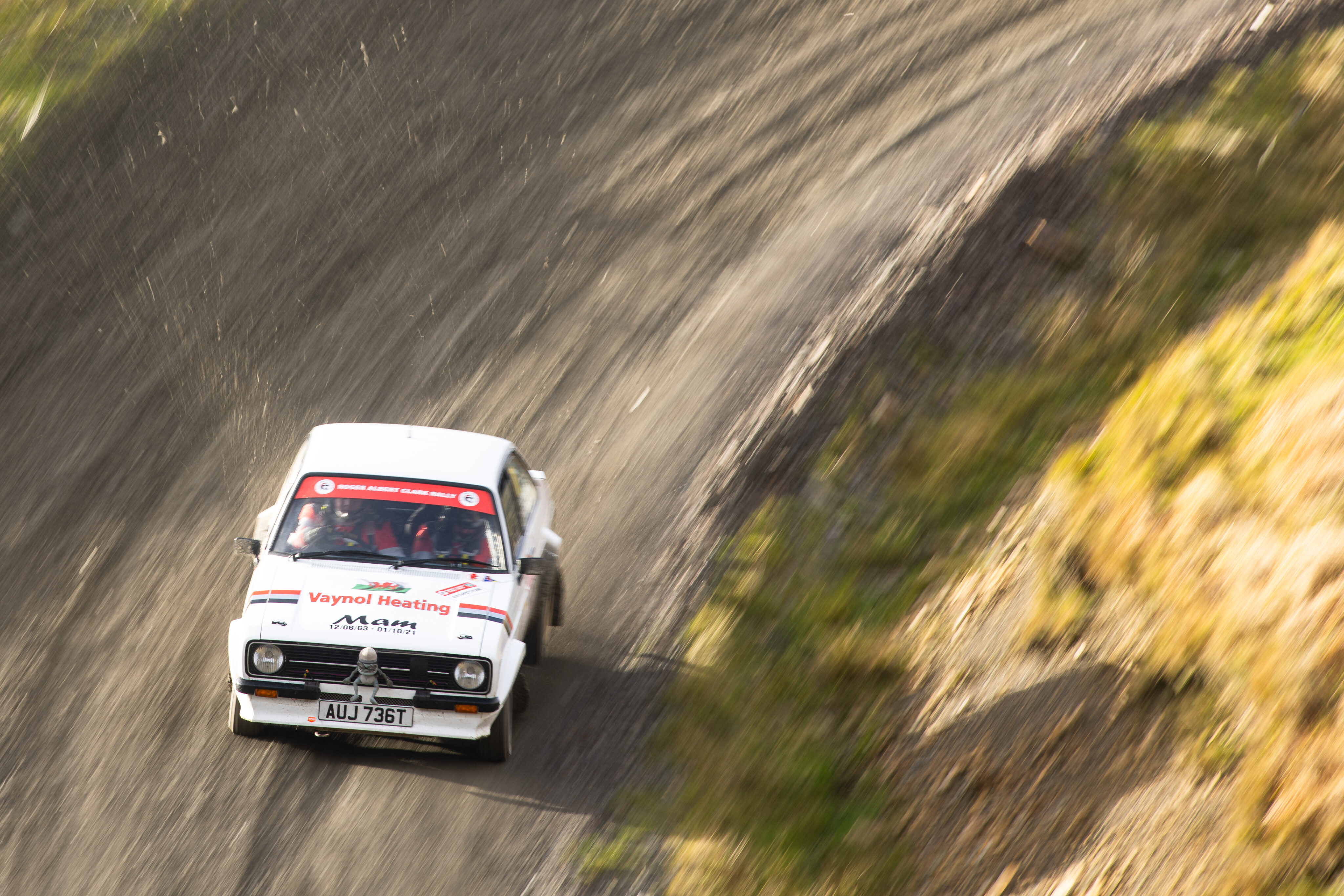
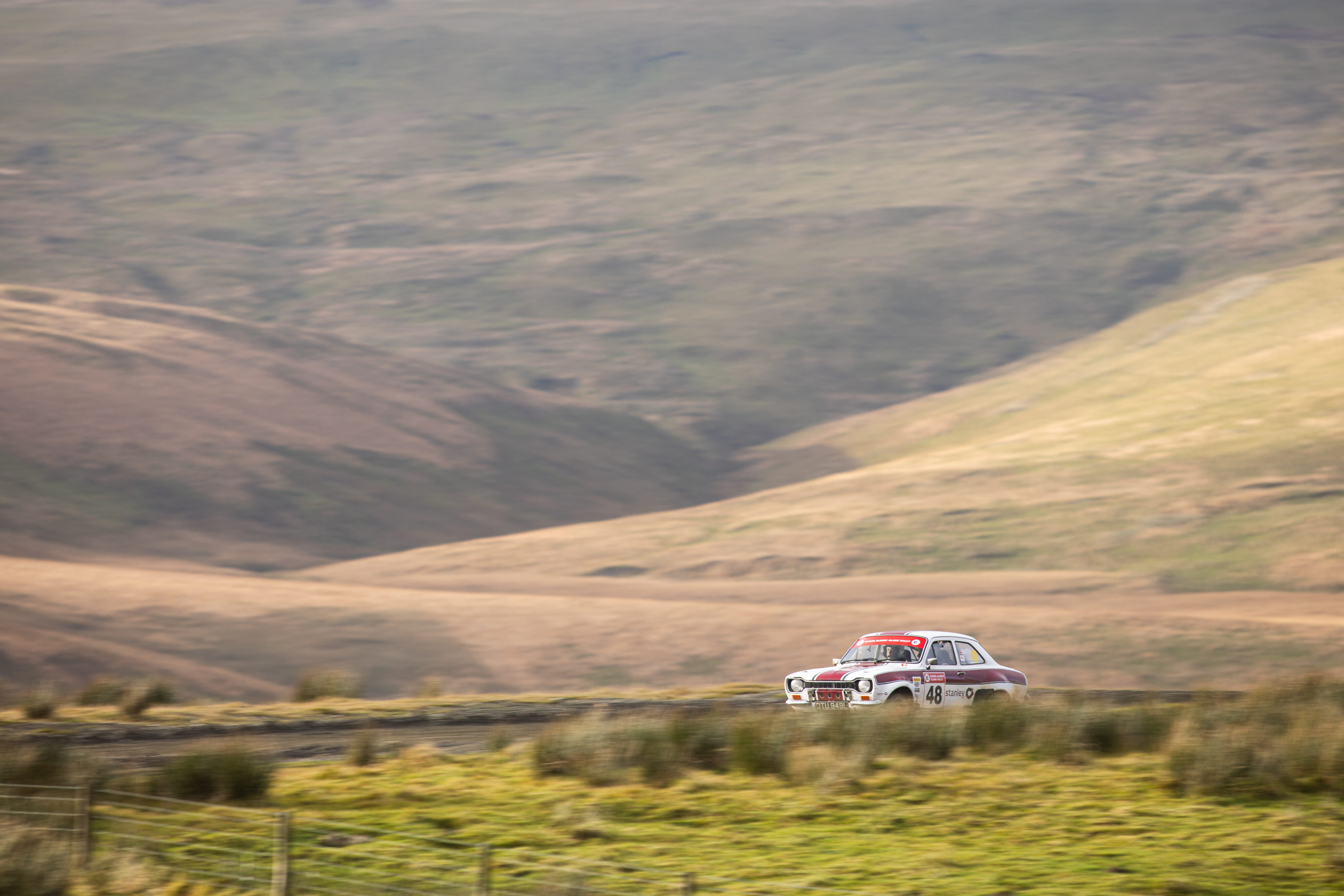
As the afternoon went on, the sun began to drop lower behind the hills, creating some beautiful contrast across the valley as the faster cars came through.
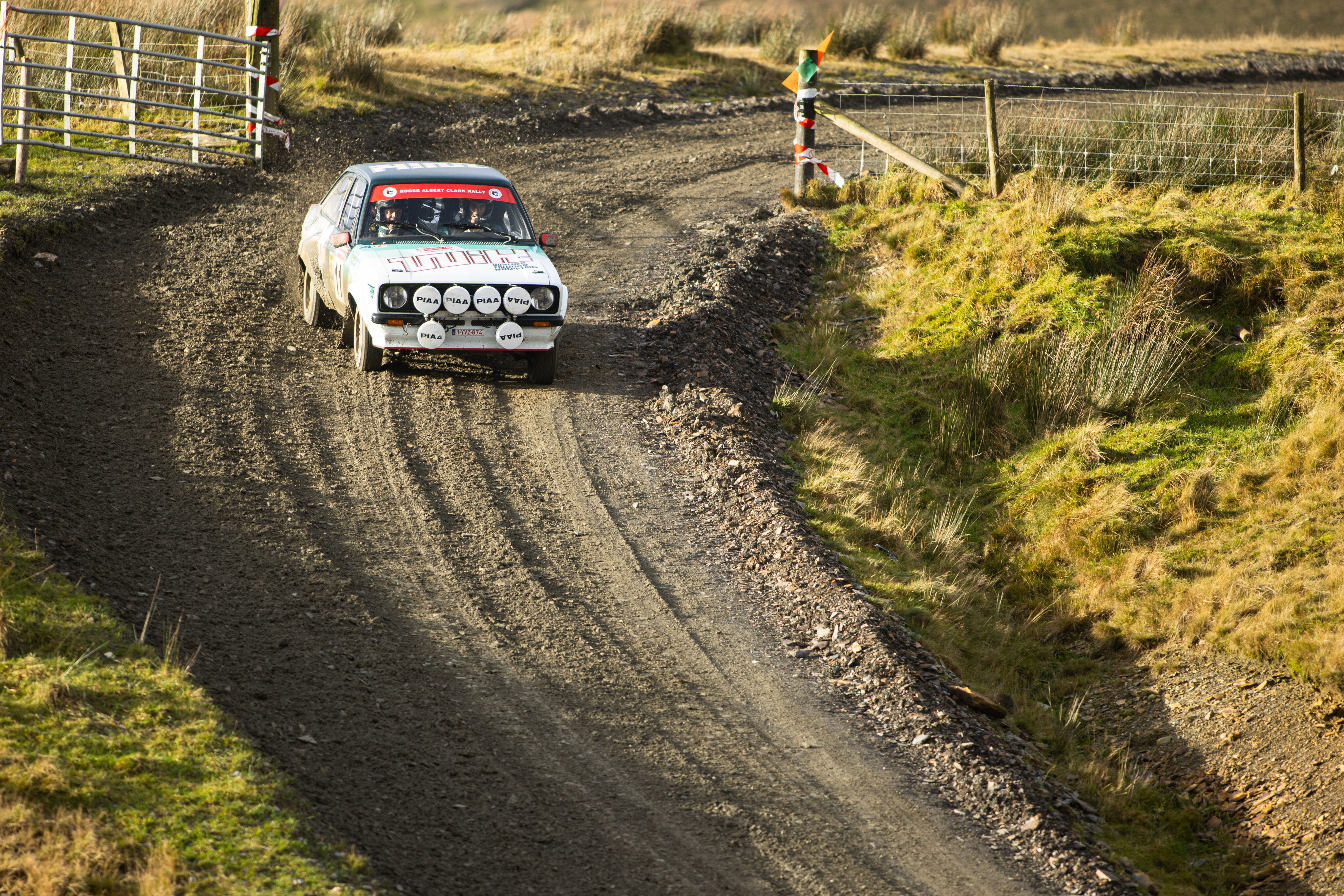


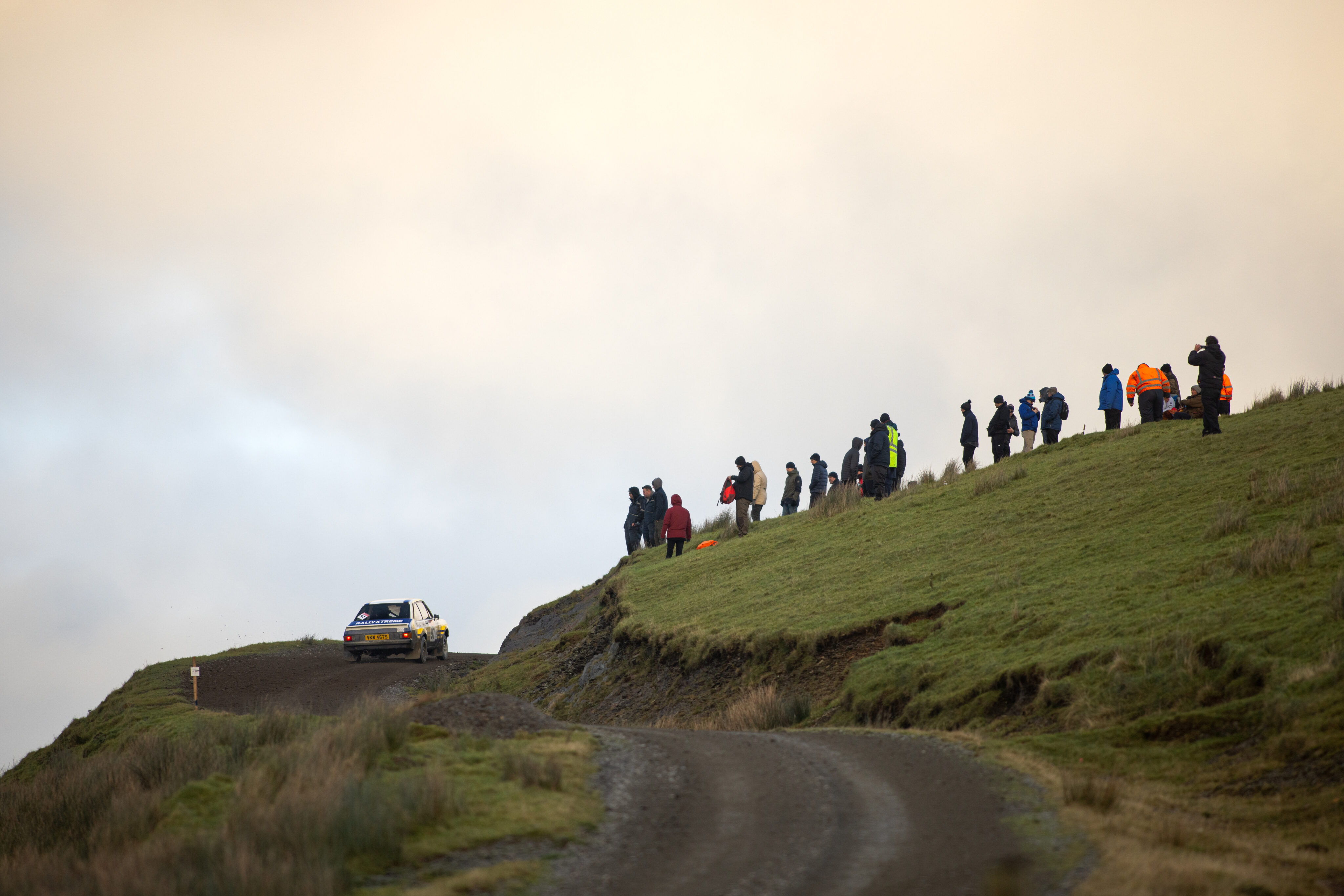
I ended up near the top of the hill waiting for the second pass of the stage, once again in darkness.
Standing there gave me time to reflect on how accessible rallying can be. I wasn’t there with media accreditation – just as a regular spectator with a camera.

As the final light faded, I captured a few night shots before watching the last cars pass through.

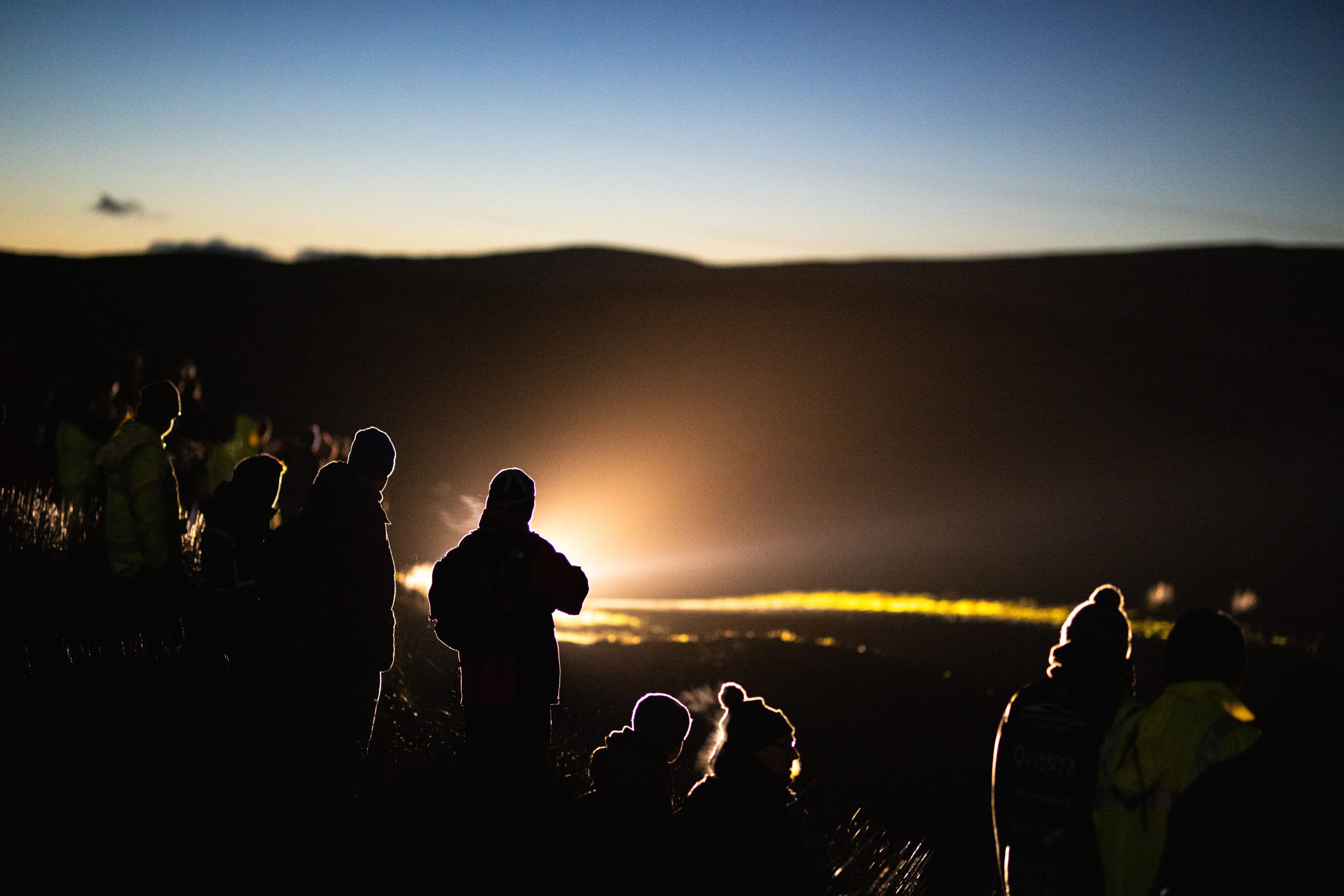


That wrapped up Day Two. The next task was driving all the way from central Wales to the Scottish Borders, heading for Glengap for Saturday morning. The journey took most of the night.
After around seven hours of driving and 280 miles, with just a quick two-hour hotel stop for sleep, I arrived just before dawn and parked along the forest road.
Day 3 – Glengap
The cold morning air quickly woke me up as I stepped out of my car, I grabbed my camera, some food, and started hiking into the stage looking for a good place to begin the day.
One spot immediately stood out, shooting over a cluster of frozen bushes as the rising sun reflected off frost covered branches. The light only lasted a couple of minutes, but it was enough to capture a few variations before moving further into the stage.
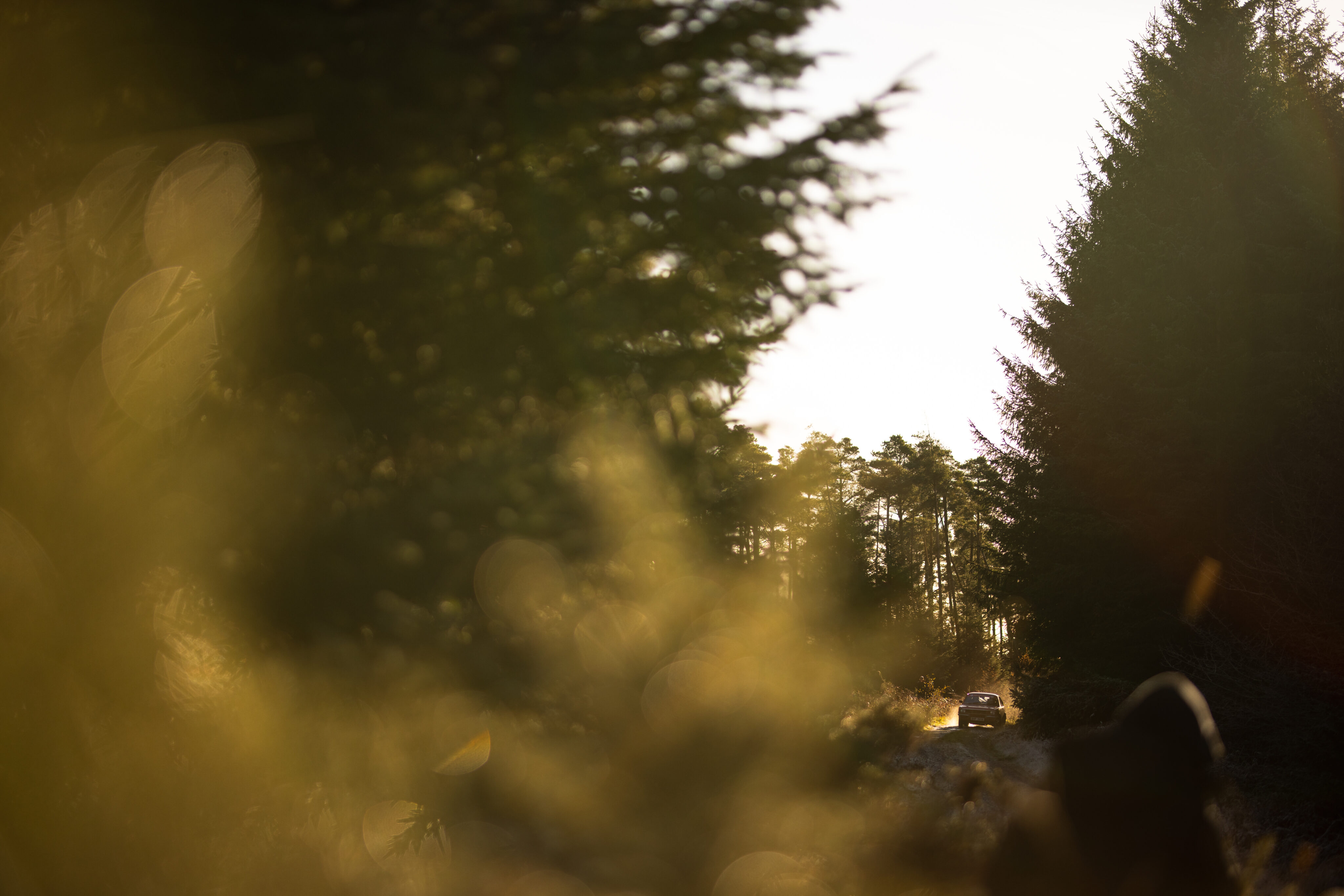

For the rest of the morning I worked my way along the stage through dense pine forest, popping out at different sections to see what angles were available.
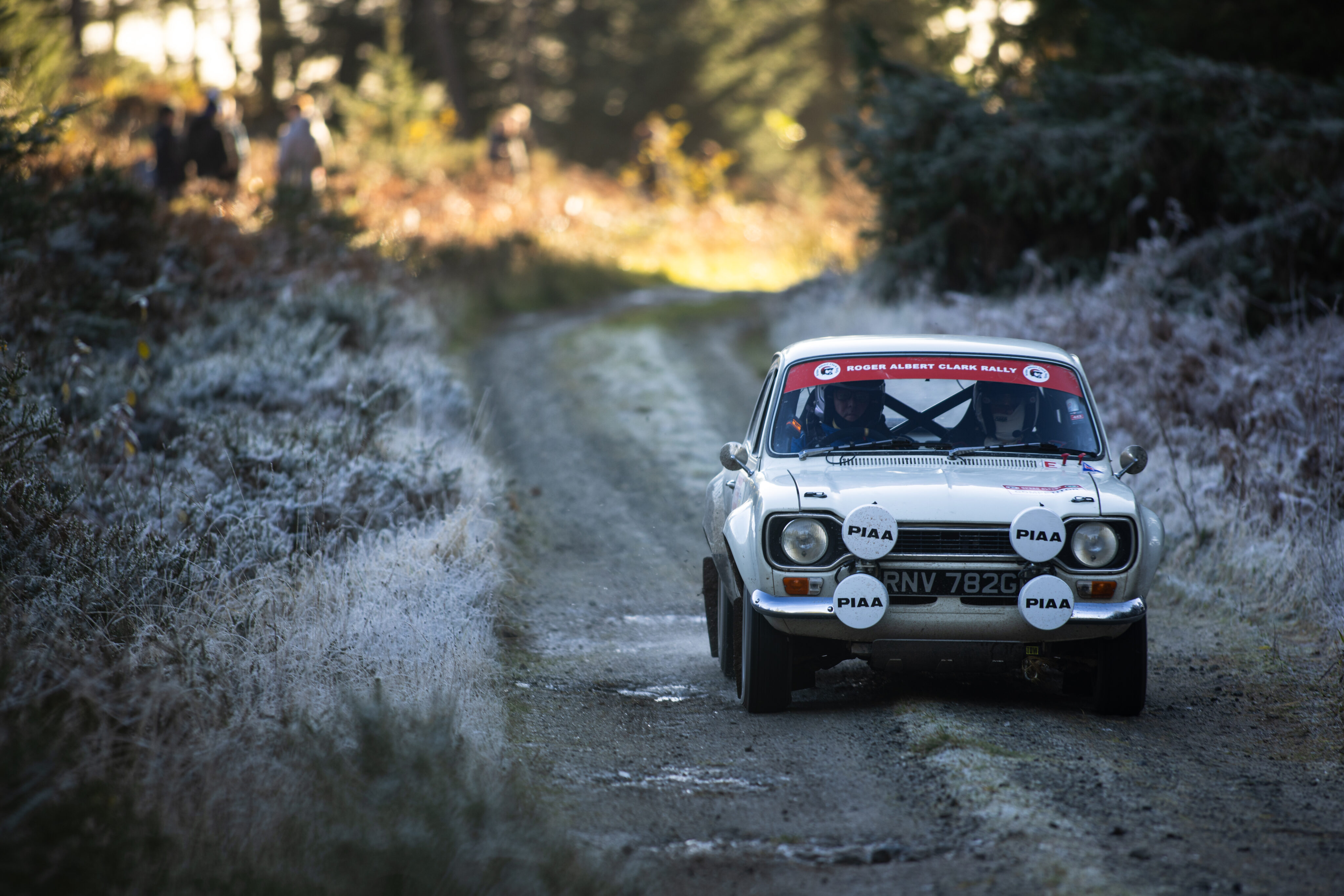


Eventually I found a brilliant spot with multiple options within a short distance. From there I could shoot the cars launching over a small jump, turn around and photograph them climbing a hill behind me, or cross the stage to capture a completely different angle.
All of those shots came from within about 50 metres of each other.


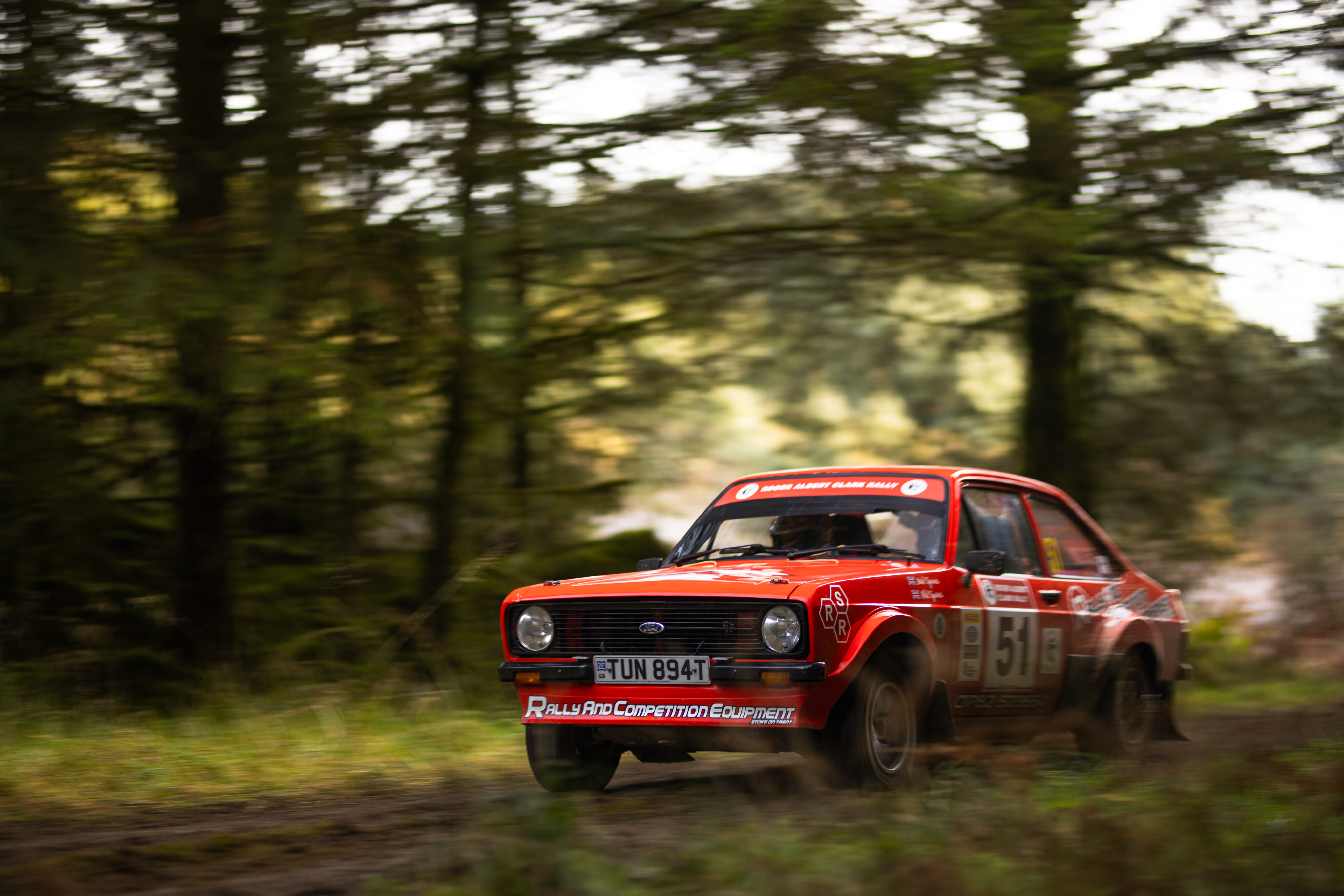
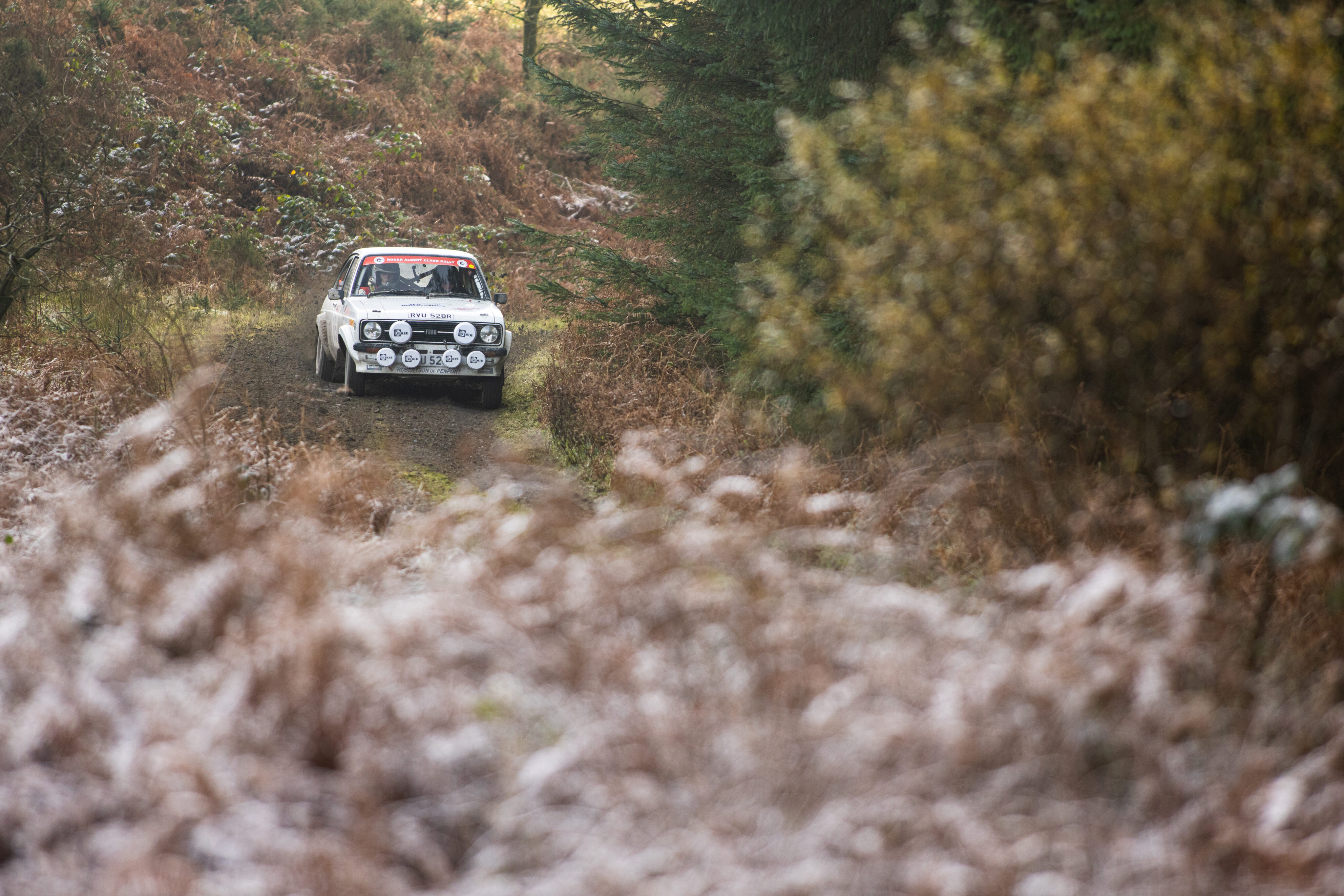

The second run through of the stage wouldn’t be for about 3 hours so I walked back to the middle of the stage where I had entered it and headed out the other direction with the aim to work my way back through the next stage through as it would be dark. I made it about a mile past the entrance point to a nice set of corners with a safe place to stand on the exit of the corner.
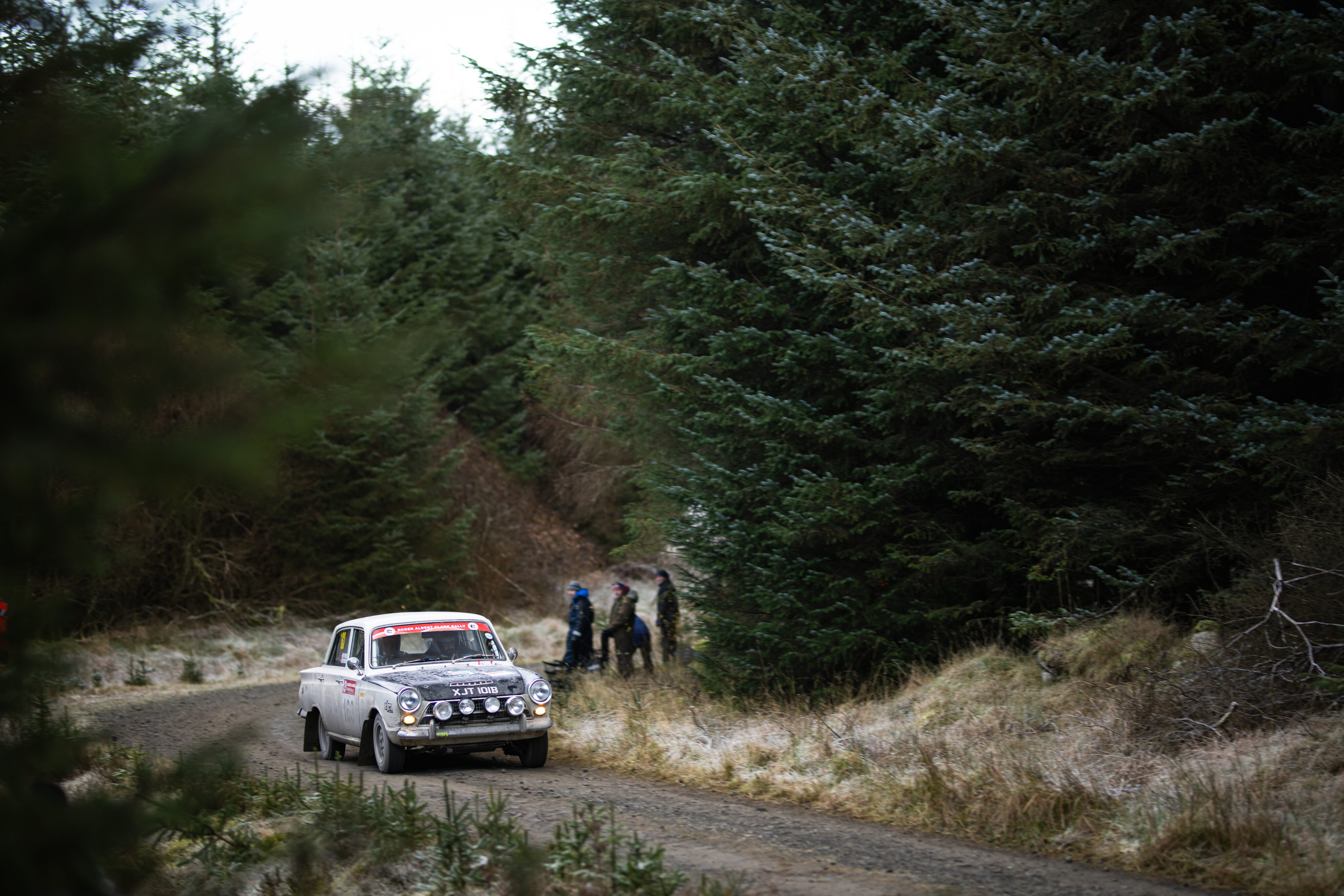

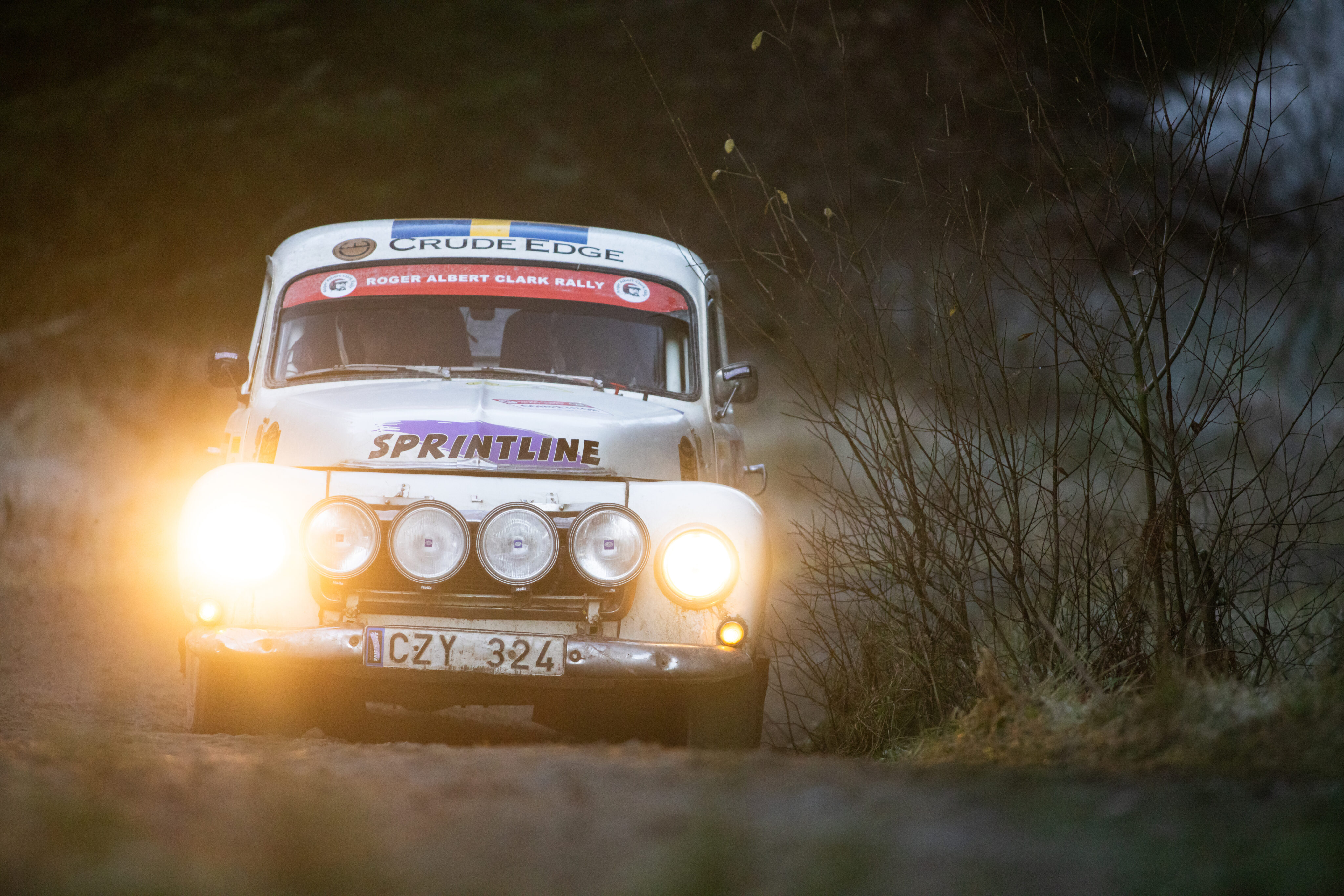
The variety of shots here wasn’t great but it was awesome to watch the different styles of driving as the cars squirmed around on the brakes before sliding through the bend.


As darkness returned, I headed out of the forest and back down to Carlisle for some hot food and warmth before another night sleeping in the car.
Day 4 – Kershope
The next morning I woke to see that my friend Mike (check his work here – https://www.facebook.com/profile.php?id=100090880293842) had driven up to meet me early so that we could head out into the stages together. It’s always nice shooting with someone, seeing their perspective and creative ways of capturing the same subjects.
We hit the road for a 40 minute drive to Kershope for another stage that would be run twice that day. For the first run we hiked into a clearing where we could see the cars approaching from a long distance, perfect for panning shots before they reached a tight hairpin right in front of us.


We worked our way back down the stage a bit, finding different view points as we went.
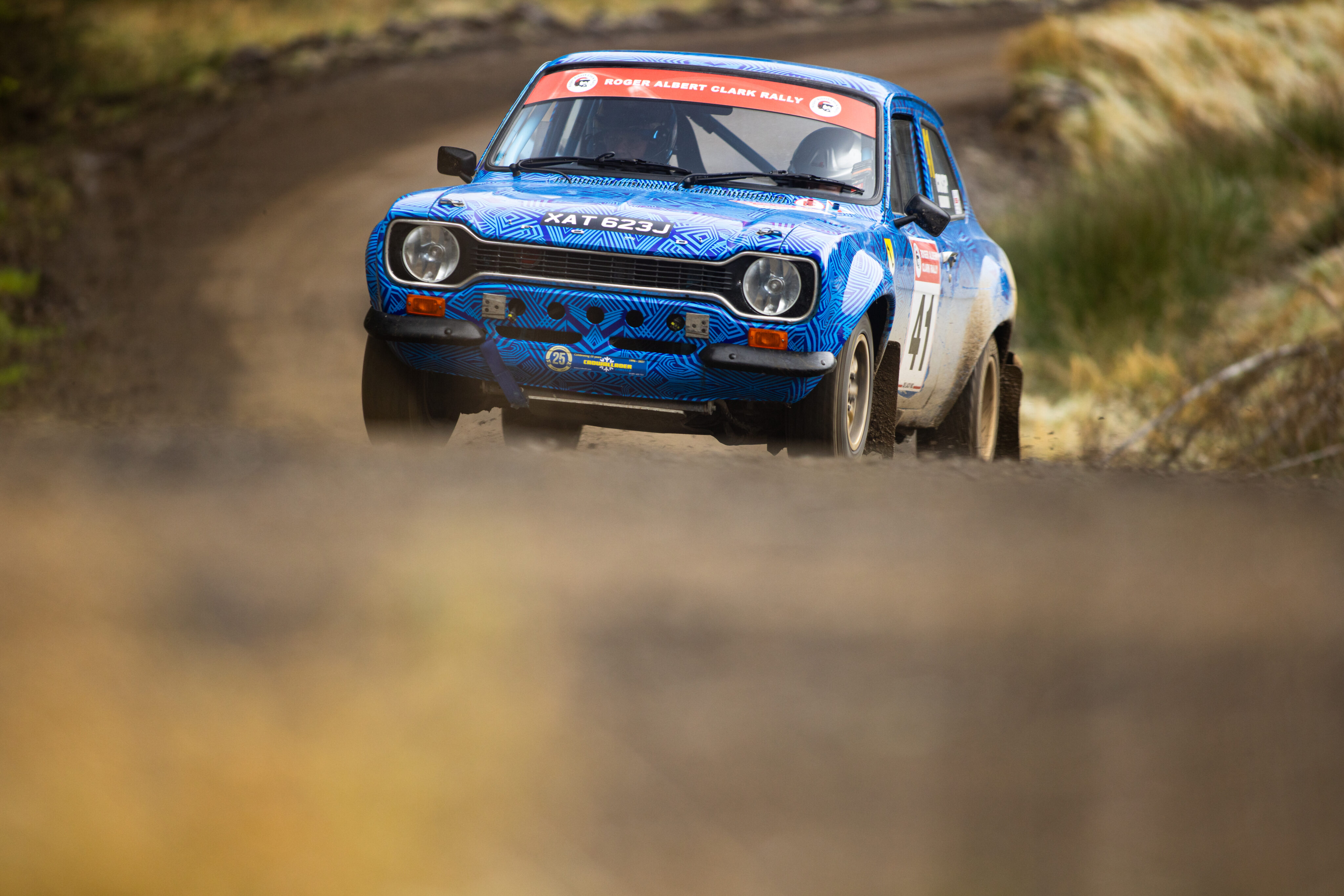

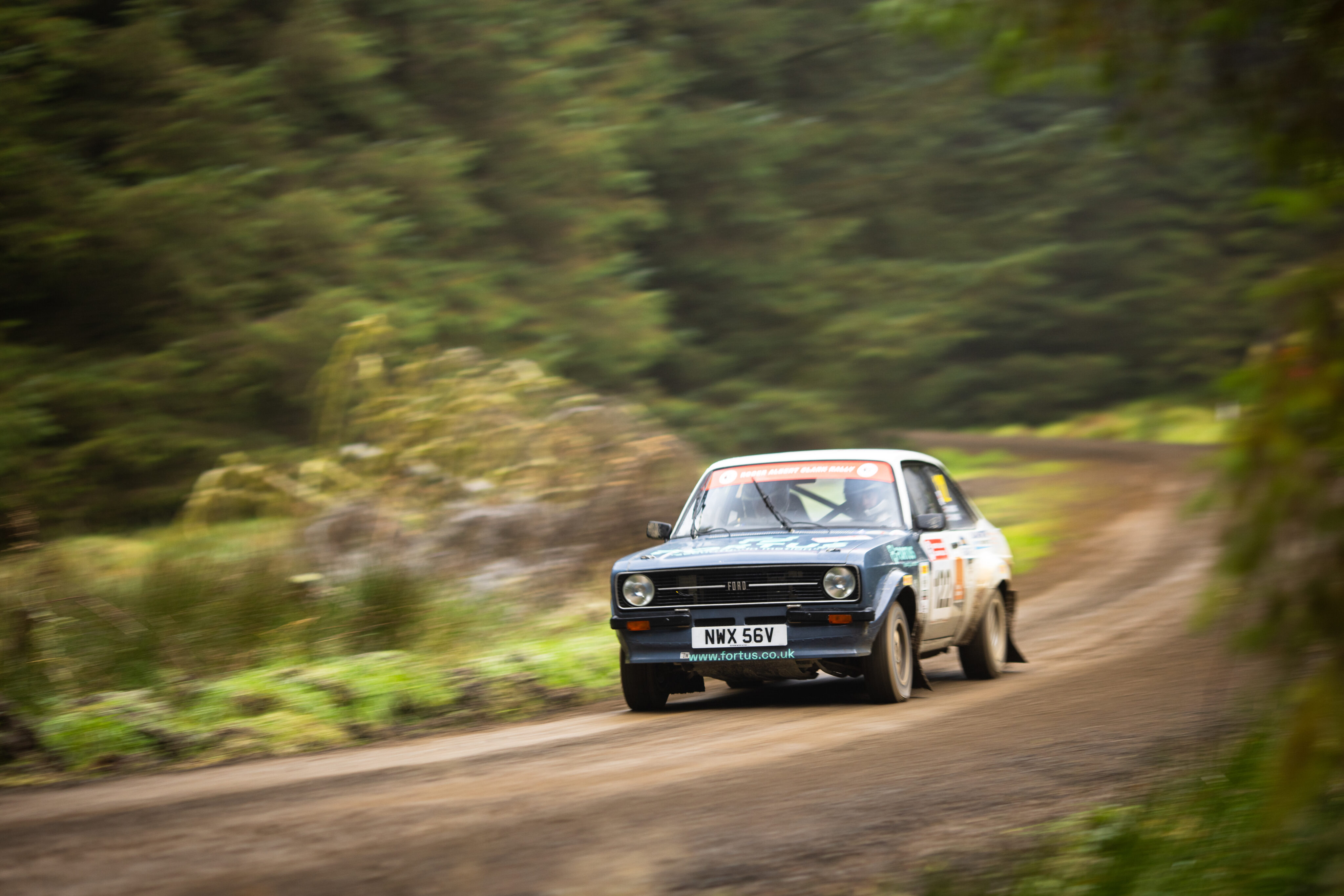
As we moved around looking for new angles, I managed to step on what I thought was solid ground, which immediately gave way beneath me.
Seconds later I was standing waist-deep in a freezing puddle. Thankfully my camera and phone survived, but I was now completely soaked on a day hovering just above 0°C.
After laughing about it for a moment, I headed back to the car, changed into my last set of dry clothes, and moved to another section of the stage for the second run.
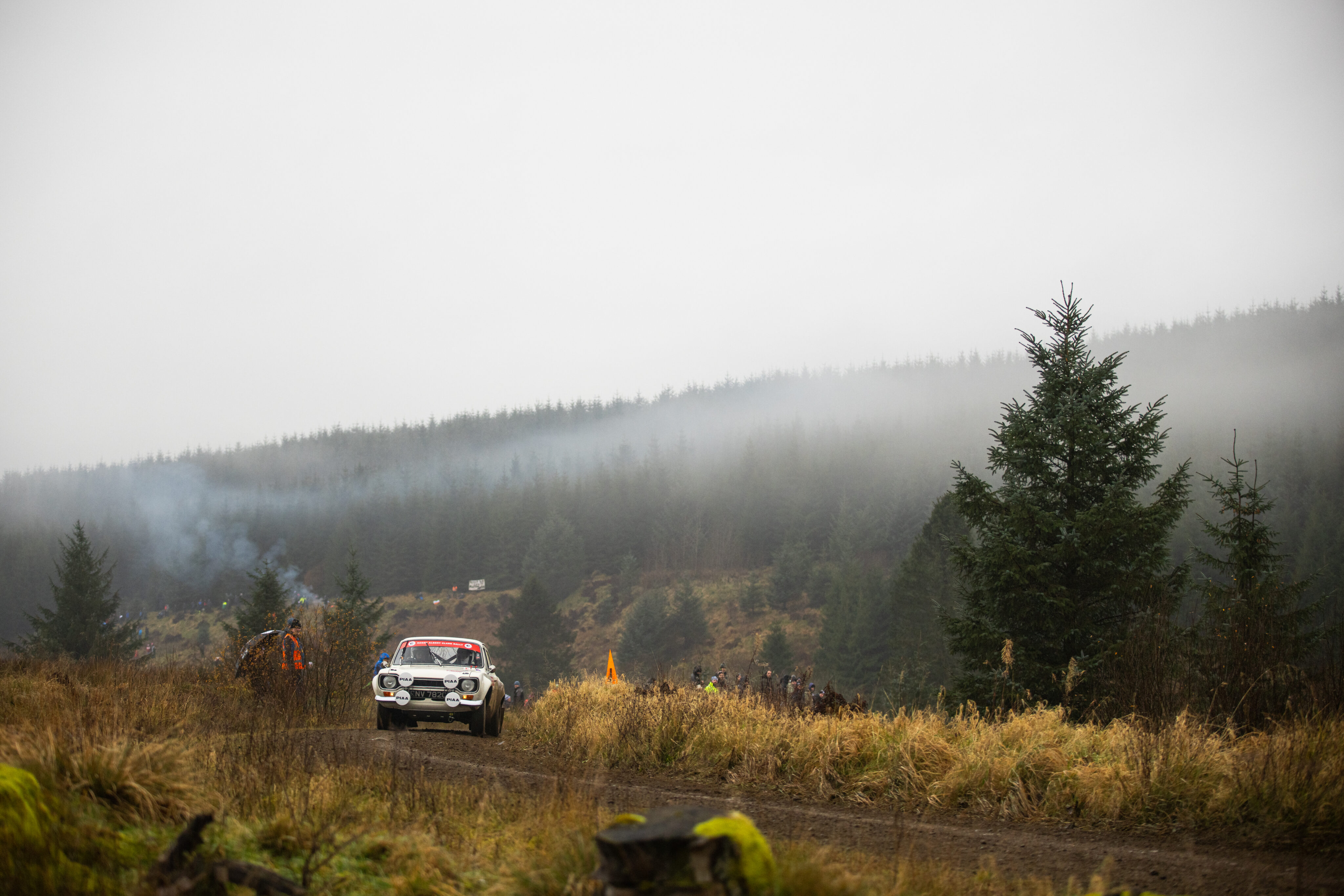
Mist had started to roll in through the trees, which created some atmospheric conditions and a few shots I was really happy with.
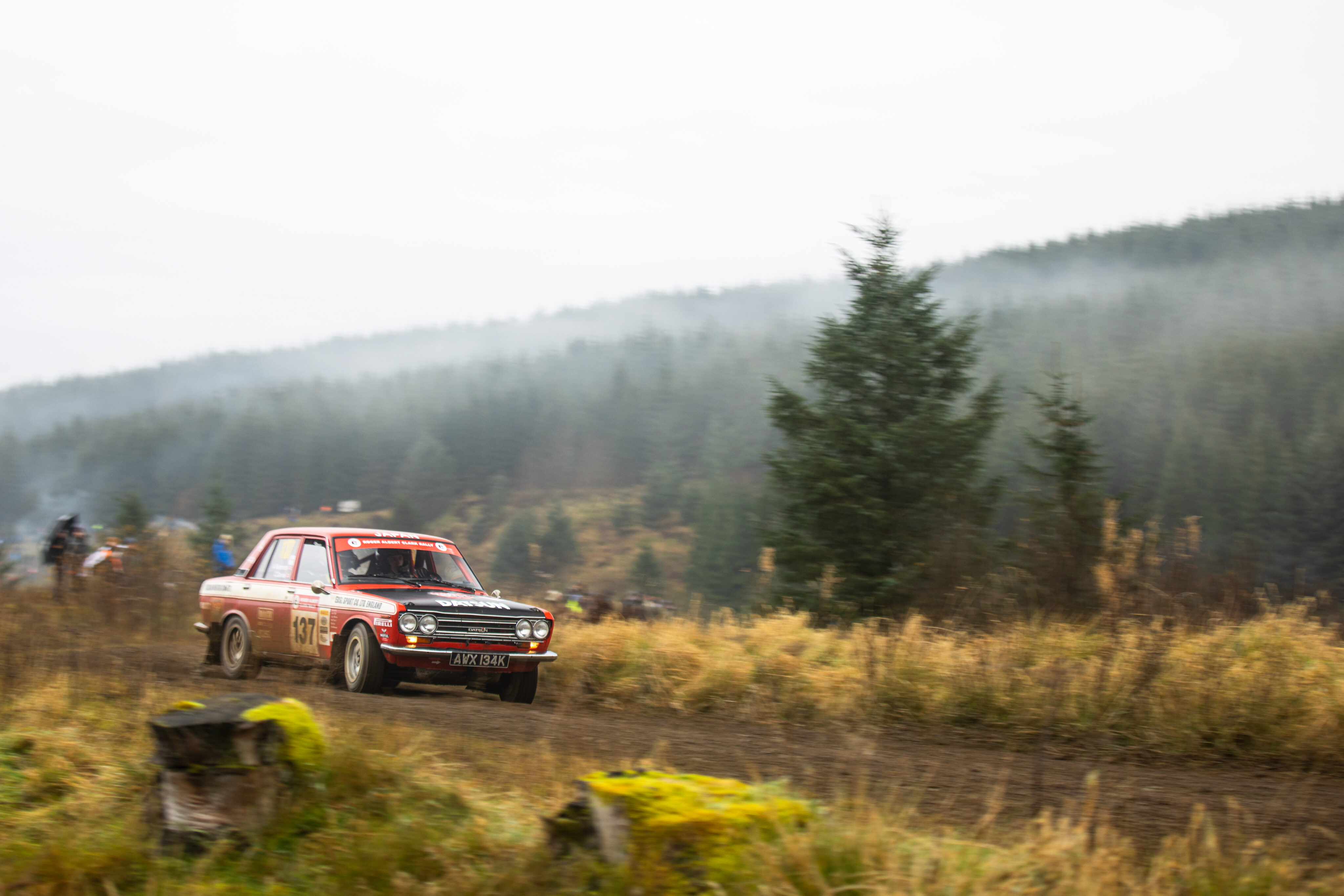
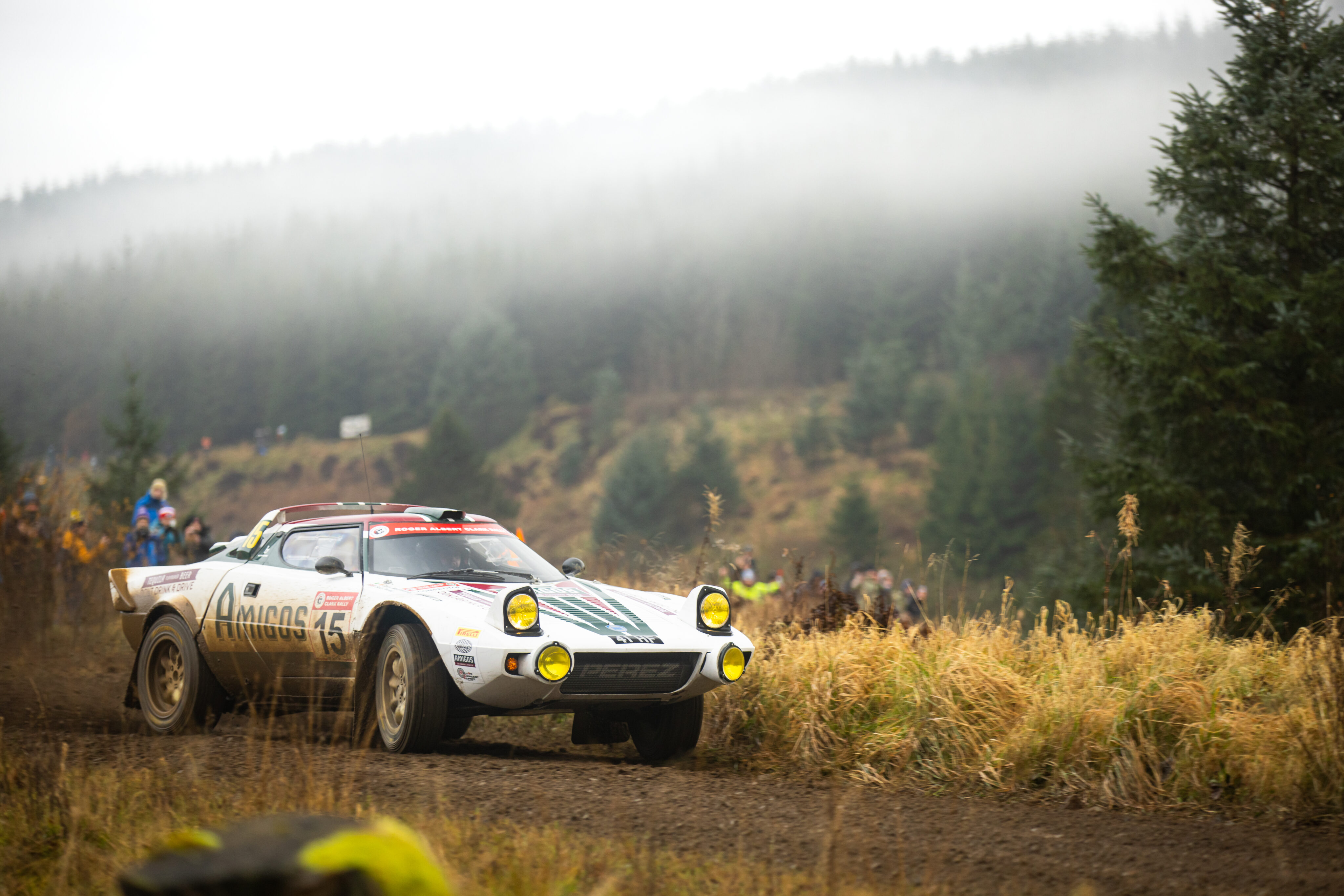

That brought Day Four of the rally to an end and unfortunately my event as well.
I had planned to stay for Monday’s final stage, a massive 30-mile test, but after the freezing dip earlier in the day I wasn’t feeling great. With no dry clothes left, I decided it was better to head home rather than risk repeating the experience.
After dropping Mike off in Carlisle, I began the long journey back.
Why the Roger Albert Clark Rally Is Special
Despite cutting the trip short, the Roger Albert Clark Rally was easily one of the best events I’ve photographed.
It’s demanding – chasing the rally across the country for five days, covering around 1000 miles, 22 hours of driving, and spending roughly 75 hours in the forests.
But that challenge is exactly what makes it so enjoyable.
Few events offer the chance to photograph such incredible historic rally cars being driven exactly as they were intended, flat out through forests, over crests, and into the darkness.
And I’ll definitely be back when it returns in 2025.
If you would like to see more of my work, please follow me on my social channels –
Facebook – facebook.com/RBorowikMedia
Instagram – instagram.com/robertborowikmedia
YouTube – youtube.com/@robertborowikmedia
Take a look at the store if you would like to purchase any of my images!